
 Pin
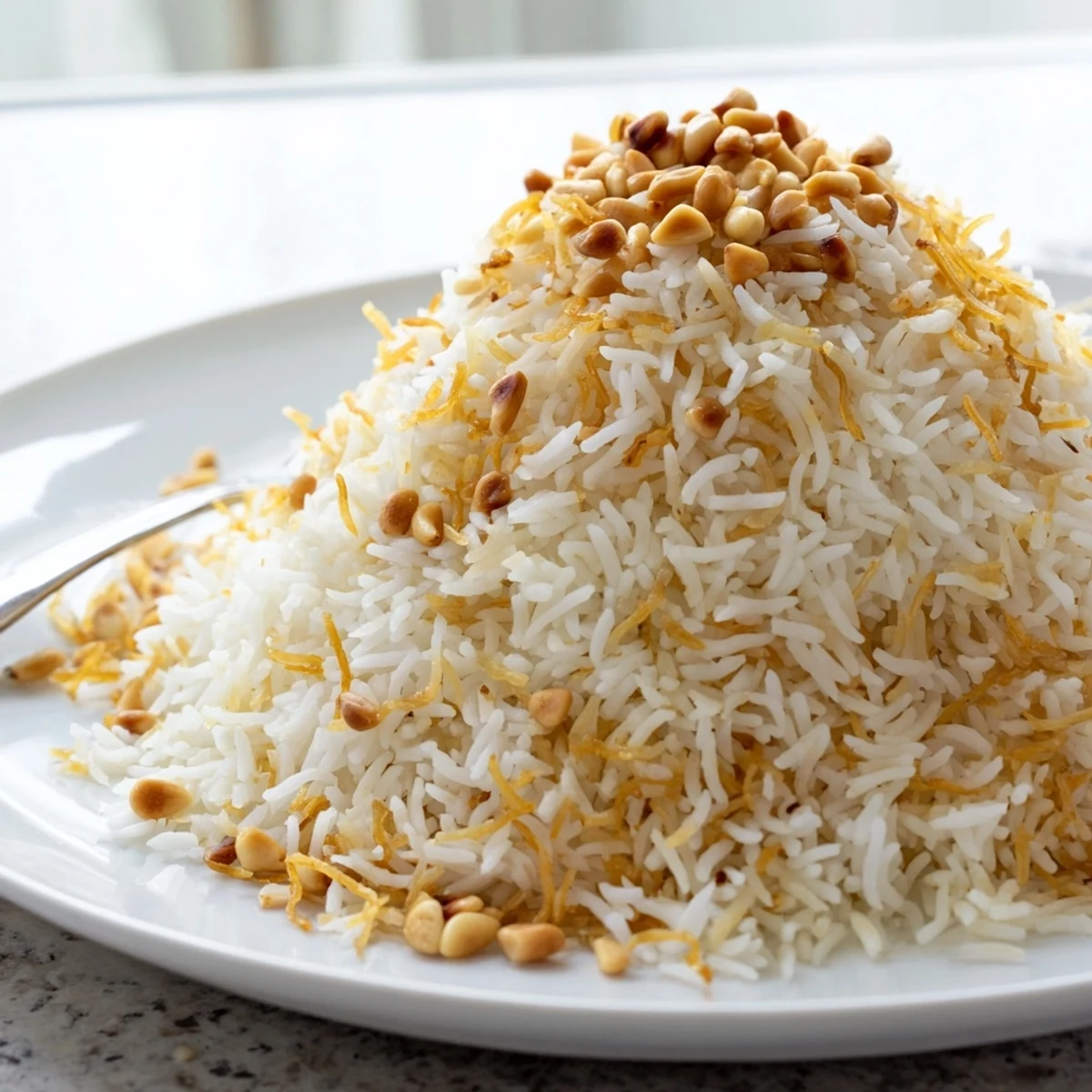
Pin Lebanese rice is a staple side dish featuring long-grain white rice toasted alongside golden vermicelli noodles, creating a nutty, fragrant base. The vermicelli is browned in butter or olive oil until deeply golden, then the rice is added and cooked in seasoned broth until perfectly fluffy.
Finished with a generous garnish of toasted pine nuts, this dish comes together in just 25 minutes and pairs beautifully with grilled meats, stews, or roasted vegetables. It's naturally vegetarian and can easily be made vegan by swapping butter for olive oil.
The smell of vermicelli toasting in butter is one of those things that stops me mid sentence every single time. It is nutty and warm and fills the kitchen with a promise that dinner is going to be good. My neighbor Joumana taught me this rice years ago when I complained that mine always turned out gummy and sad. She laughed, handed me a handful of broken noodles, and changed my side dish game forever.
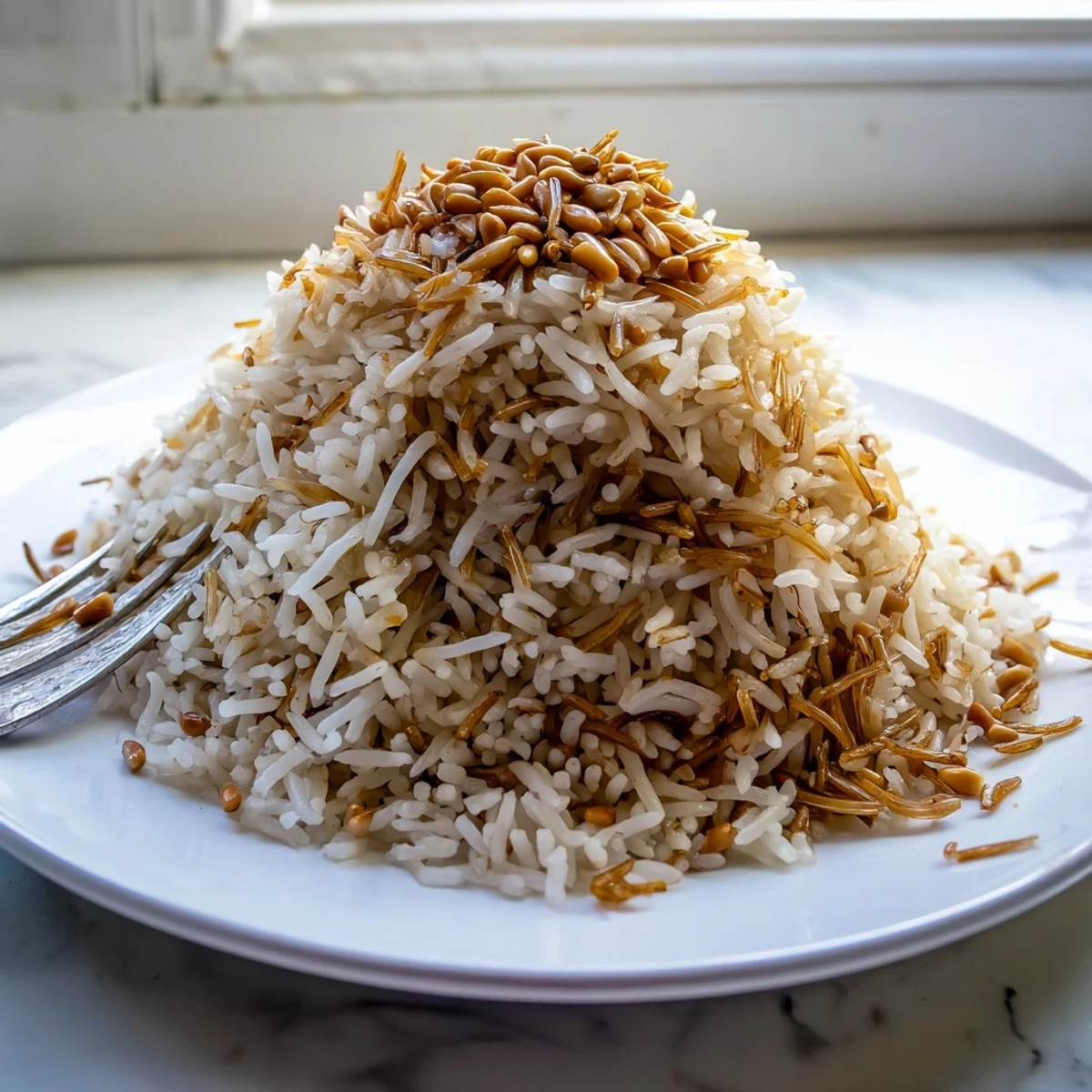
I served this at a potluck once and watched three people skip the main course entirely just to go back for more rice. There is something deeply satisfying about lifting the lid after that five minute rest and seeing perfectly separated, fluffy grains staring back at you.
Ingredients
- Long grain white rice (1 cup, rinsed): Basmati or jasmine both work beautifully, but basmati gives you the fluffiest, most dramatic separation between grains.
- Vermicelli noodles, broken into 1 inch pieces (one third cup): These little golden strands are the soul of this dish, so do not skip them.
- Unsalted butter or olive oil (2 tablespoons): Butter gives richness, while olive oil keeps it vegan and adds a fruity note.
- Water or low sodium vegetable broth (2 cups): Broth adds a subtle depth, but water lets the toasted vermicelli flavor shine on its own.
- Pine nuts for garnish (2 tablespoons, optional): They add a lovely crunch and a buttery finish that elevates the whole plate.
- Salt (1 teaspoon) and black pepper (one quarter teaspoon): Simple seasoning that ties everything together without overpowering the toasted flavors.
Instructions
- Wash the rice well:
- Run cold water over the rice in a fine mesh strainer, swishing it around with your fingers until the water runs completely clear. This step removes surface starch and is the single biggest reason your rice will turn out fluffy instead of sticky.
- Toast the pine nuts:
- Melt the butter or heat the olive oil in a medium saucepan over medium heat, then add the pine nuts and stir constantly until they turn a warm golden color. Transfer them immediately to a small plate because they will keep cooking and burn if you leave them in the pan.
- Brown the vermicelli:
- Add the broken vermicelli pieces to the same pan and stir without stopping until they reach a deep, rich golden brown, which takes about 3 to 4 minutes. Keep your eyes on them because the line between perfectly toasted and burnt is remarkably thin.
- Coat the rice:
- Stir the rinsed and drained rice into the toasted noodles, tossing gently so every grain gets a thin coating of butter or oil. This quick toasting step adds another layer of flavor and helps keep the grains separate during cooking.
- Add liquid and season:
- Pour in the water or broth, add the salt and pepper, and bring everything to a gentle boil. Give it one final stir, then resist the urge to keep messing with it.
- Cover and simmer:
- Turn the heat down to the lowest setting, put a tight fitting lid on the pot, and walk away for 15 minutes. No peeking, no stirring, no lifting the lid for a quick check because steam is your best friend here.
- Rest and fluff:
- Take the pot off the heat but leave the lid on for another 5 minutes so the grains can firm up and finish absorbing any remaining moisture. Uncover, fluff gently with a fork, and scatter the reserved pine nuts on top before serving.
 Pin
Pin One rainy Tuesday I ate an entire pot of this standing at the counter, fork in hand, completely unable to wait for the rest of dinner. Some foods do not need a table or a proper plate to remind you why cooking matters.
Making It Your Own
Once you have the basic technique down, try adding a cinnamon stick or a bay leaf to the cooking liquid for a subtle, warm fragrance. A handful of toasted almonds works just as well as pine nuts if you want a different crunch.
Leftovers Never Last Long
Cold leftover Lebanese rice fried the next morning with a bit of garlic and a scrambled egg is almost better than the original. If you somehow have rice left after day two, freeze it in portions and reheat with a sprinkle of water.
Serving Suggestions Worth Trying
This rice belongs next to grilled lamb, roasted chicken, or a simple plate of hummus and roasted vegetables. It absorbs sauces beautifully and never fights with the main course for attention.
- Pair it with a tangy yogurt sauce for a quick weeknight dinner.
- Serve it under braised meat so the grains soak up all the rich juices.
- Always make more than you think you need because seconds are guaranteed.
 Pin
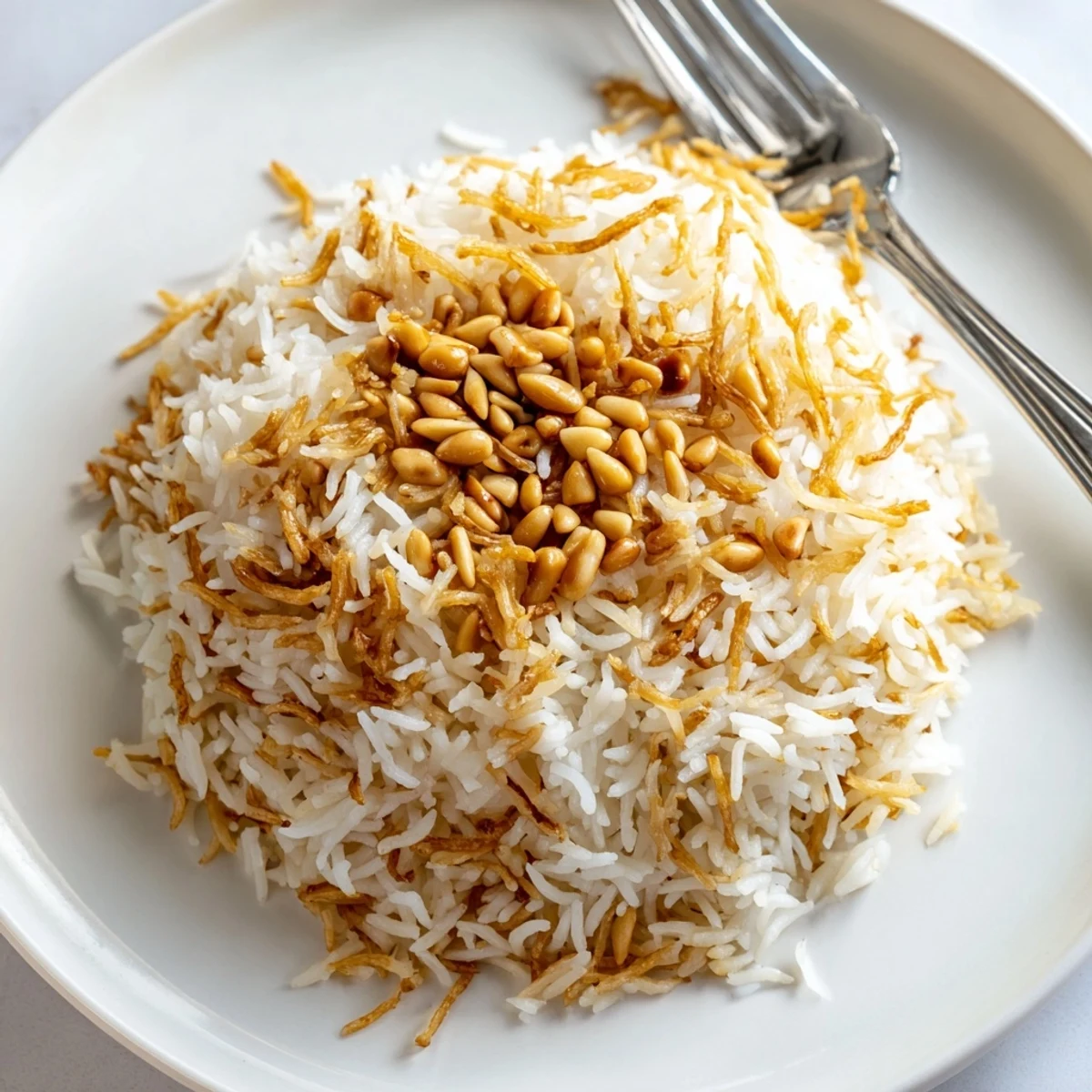
Pin Good rice does not need much to be extraordinary, and this recipe proves it with every golden, fragrant bite. Share it with someone who thinks rice is boring and watch them change their mind.
Recipe FAQs
- → What type of rice works best for Lebanese rice?
-
Long-grain white rice such as basmati or jasmine is ideal. These varieties cook up light and fluffy with separate grains, which is the signature texture of Lebanese rice. Always rinse the rice thoroughly before cooking to remove excess starch.
- → Can I make Lebanese rice without vermicelli?
-
While vermicelli is a defining ingredient in traditional Lebanese rice, you can omit it for a simpler plain rice dish. However, the toasted pasta adds a signature nutty flavor and slight crunch that truly defines this dish, so it's highly recommended to include it.
- → How do I prevent the vermicelli from burning?
-
Stir the vermicelli constantly while toasting over medium heat. The noodles go from golden to burnt very quickly, so stay attentive. Remove the pan from heat momentarily if they're browning too fast. You're looking for a deep golden brown color, about 3-4 minutes.
- → Can I make Lebanese rice ahead of time?
-
Yes, Lebanese rice reheats beautifully. Store it in an airtight container in the refrigerator for up to 3 days. Reheat gently in the microwave or on the stovetop with a splash of water. Leftovers also work wonderfully in stir-fried rice dishes.
- → Is Lebanese rice gluten-free?
-
Traditional Lebanese rice is not gluten-free because the vermicelli noodles contain wheat. If you need a gluten-free version, look for gluten-free vermicelli or substitute with thin rice noodles that can achieve a similar toasty effect.
- → What should I serve with Lebanese rice?
-
Lebanese rice is a versatile side that pairs well with grilled lamb or chicken, lamb stews, roasted vegetables, kebabs, or fish dishes. It's also excellent alongside hummus, labneh, and other mezze spreads for a complete Middle Eastern spread.