
 Pin
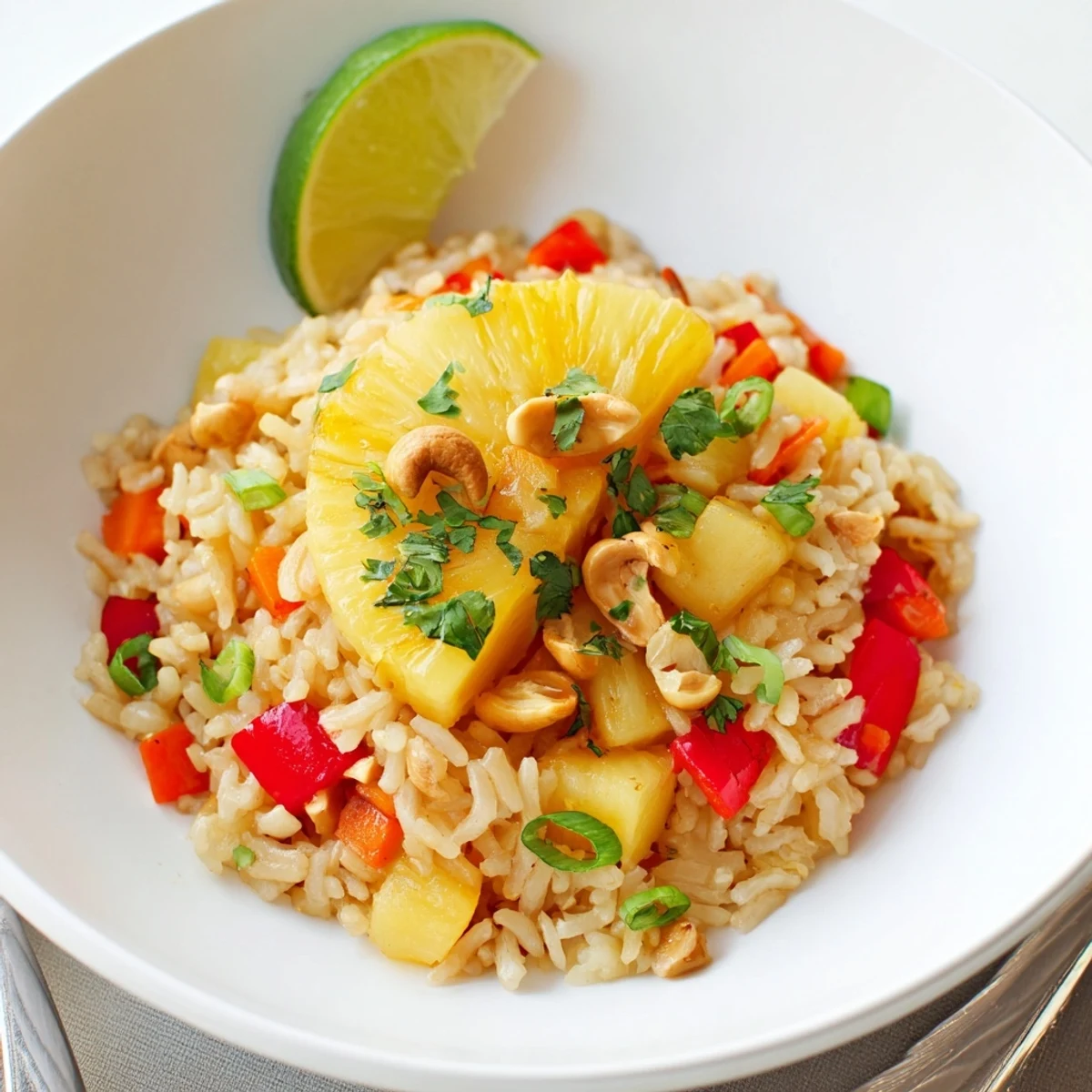
Pin Pineapple rice pairs day-old jasmine rice with diced pineapple, red bell pepper, carrots, green onions and cilantro, seasoned with curry powder, soy sauce and a squeeze of lime. In a hot skillet or wok, sauté vegetables briefly, caramelize pineapple, then fold in rice and sauces until heated through. Finish with toasted cashews and extra cilantro. Use gluten-free soy or omit fish sauce for vegan diets; add shrimp, chicken or tofu for protein.
The sound of a wok clattering against the burner always transports me straight to a tiny street stall in Chiang Mai where an elderly woman tossed pineapple rice with the confidence of someone who had done it ten thousand times. The sweet smell of caramelized fruit hitting hot oil is genuinely unforgettable. I stood there sweating in the humidity, watching her hands move without hesitation, and I knew I would spend years trying to capture that exact balance of sweet, salty, and fragrant at home. This recipe is the closest I have ever come.
I once made this for a friend who claimed she hated pineapple in savory food, and she went back for thirds without saying a word. The silence at that table was the most honest compliment I have ever received.
Ingredients
- Pineapple, diced (1 1/2 cups): Fresh is ideal but canned works beautifully if you drain it well and pat the pieces dry so they caramelize instead of steaming.
- Red bell pepper, diced (1 medium): The sweetness mirrors the pineapple and the color makes everything look like a celebration.
- Carrots, peeled and diced (1/2 cup): Keep the dice small and uniform so they soften quickly alongside the pepper.
- Green onions, sliced (1/4 cup): Add these late so they stay bright and slightly sharp.
- Fresh cilantro, chopped (1/4 cup): Divide it in half because you want some folded into the rice and some scattered on top for freshness.
- Cooked jasmine rice, cold (2 cups): Cook it the night before and spread it on a tray to dry out in the fridge because dry rice fries better than wet rice.
- Soy sauce (2 tbsp): Use tamari or a gluten-free brand if needed and pour it around the edges of the wok so it sizzles before hitting the rice.
- Fish sauce (1 tbsp, optional): This is the shortcut to depth and if you skip it for vegetarian reasons the dish still shines.
- Mild curry powder (1 tbsp): Toast it briefly in the hot wok before it touches the rice and the fragrance will fill your entire kitchen.
- Vegetable oil (1 tbsp): A neutral oil with a high smoke point keeps things moving without burning.
- Salt (1/2 tsp) and black pepper (1/4 tsp): Taste at the end because soy sauce and fish sauce already carry salt.
- Roasted cashews or peanuts (1/2 cup): Crush them slightly for better distribution and add them at the very end so they stay crunchy.
- Lime wedges for serving: A squeeze of lime over the finished plate brightens every single flavor at once.
Instructions
- Get the wok smoking:
- Heat the vegetable oil in a large skillet or wok over medium-high heat until it shimmers and you see the first wisp of smoke. This is not the moment to be timid because a hot wok is what gives fried rice its character.
- Wake up the vegetables:
- Toss in the carrots and red bell pepper and stir them around for two minutes until they soften just slightly but still have a bite. You want them to surrender a little without losing their shape.
- Caramelize the pineapple:
- Add the diced pineapple and let it sit undisturbed for thirty seconds before stirring so the edges catch some golden color. Two to three minutes is all it needs to go from raw sweet to deeply jammy.
- Introduce the rice:
- Push everything to one side of the wok and dump the cold rice into the empty space, breaking up clumps with your fingers or the back of a spoon. Let it toast for a moment before you start folding it into the fruit and vegetables.
- Bloom the curry powder:
- Sprinkle the curry powder directly over the rice and toss everything together so the spice coats every grain and turns it a soft golden yellow. Keep it moving for about a minute until your kitchen smells like a spice market.
- Season and toss:
- Pour in the soy sauce and fish sauce if using, season with salt and pepper, and stir vigorously so the liquids distribute evenly. Everything should look glossy and uniform at this point.
- Finish with freshness:
- Fold in the green onions and half the cilantro, then cook for two to three more minutes, stirring occasionally, until every grain is heated through. Take it off the heat before the cilantro wilts completely.
- Top and serve:
- Scatter the roasted cashews or peanuts and the remaining cilantro over the top and serve warm with lime wedges on the side. Squeeze the lime right at the table for maximum impact.
 Pin
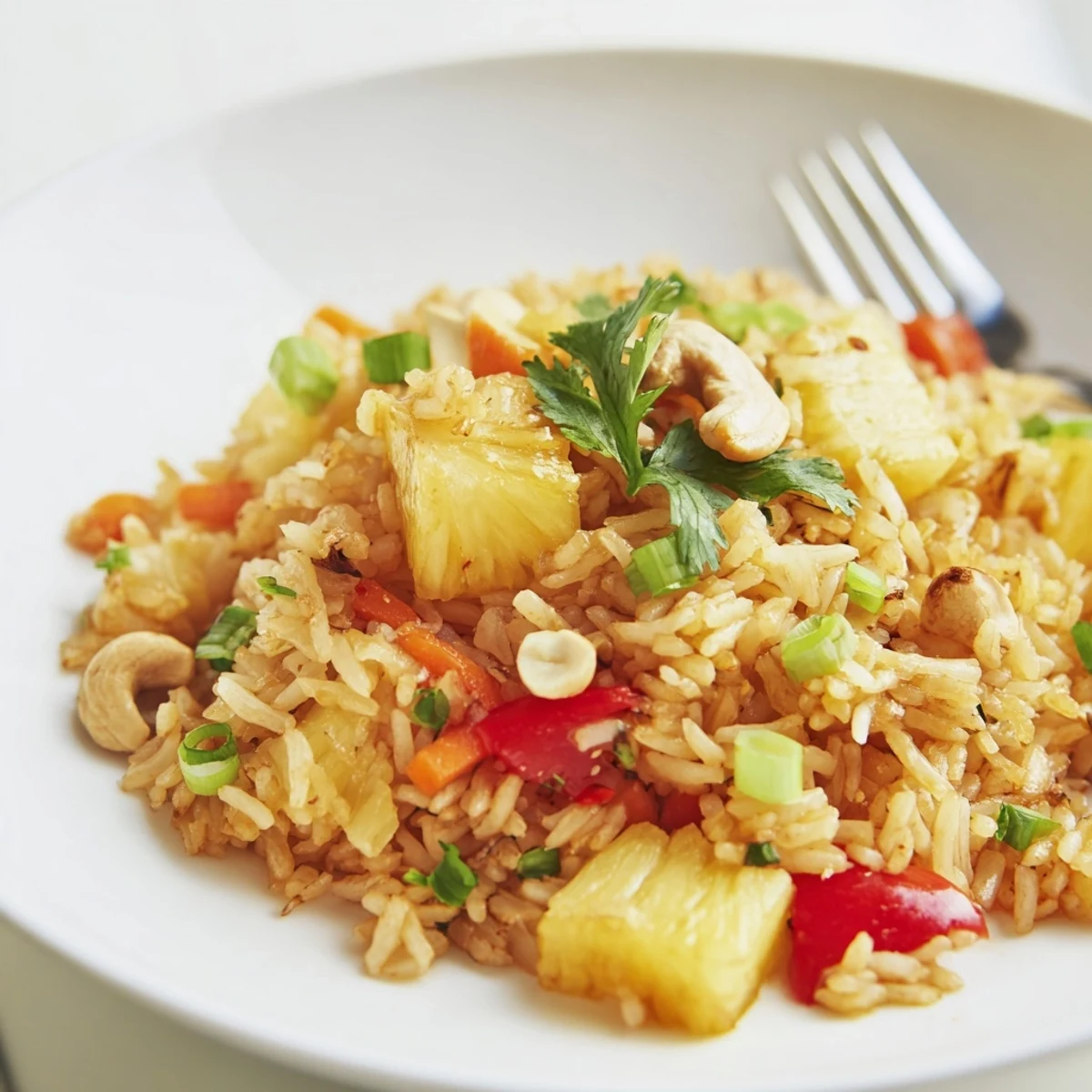
Pin There was a rain-soaked Tuesday evening when I served this in a hollowed-out pineapple half because I had seen it on a travel show and wanted to feel theatrical. My dining partner laughed, took a photo, and then ate every grain without coming up for air.
Making It Your Own
This dish welcomes improvisation the way a good conversation welcomes tangents. Toss in snap peas for crunch, diced mango for extra sweetness, or cubes of firm tofu pressed dry and fried golden before joining the rice. Each addition shifts the personality of the plate without breaking it.
Serving Suggestions
Pineapple rice sits happily beside grilled shrimp, crispy chicken thighs, or a simple fried egg with a runny yolk that mixes into the grains. It also stands alone as a light lunch on days when you want something satisfying but not heavy.
Storage and Reheating
Leftovers keep well in an airtight container in the refrigerator for up to three days and actually taste wonderful cold straight from the container if you are the standing-in-front-of-the-fridge type. When reheating, add a splash of water and use a hot skillet to bring back the texture.
- Freezing is not recommended because the pineapple becomes watery upon thawing.
- Store the nuts separately if possible so they stay crunchy.
- Always squeeze fresh lime after reheating because it wakes up flavors that have gone quiet.
 Pin
Pin Some recipes become staples because they are easy, and others earn their place because they make people happy the moment the plate lands on the table. This one does both, and that is worth holding onto.
Recipe FAQs
- → What rice yields the best texture?
-
Day-old jasmine rice is ideal because it's drier and separates easily when stir-fried. If using freshly cooked rice, spread it on a tray to cool and dry slightly before using.
- → How do I caramelize the pineapple without burning it?
-
Use medium-high heat and a bit of oil. Let the pineapple pieces sit undisturbed for 2–3 minutes to develop color, then stir briefly to avoid charring.
- → How can I keep the rice fluffy and not clumpy?
-
Break up clumps of cold rice before adding, cook over high heat with quick motions, and avoid adding excess liquid. A light splash of soy sauce helps loosen grains while seasoning.
- → How do I make this suitable for vegan or gluten-free diets?
-
Omit fish sauce or replace it with additional tamari/soy. Use gluten-free soy sauce or tamari and verify labels on all packaged ingredients to keep the dish gluten-free and vegan-friendly.
- → What proteins or variations work well with this dish?
-
Stir in cooked shrimp, diced chicken, or pan-fried tofu for extra protein. For different flavors, add snap peas, peas or diced mango; garnish with toasted cashews and lime.
- → How should I store and reheat leftovers?
-
Keep leftovers in an airtight container in the refrigerator for up to 3 days. Reheat in a skillet over medium heat with a splash of oil or water to revive the texture and separate the grains.