
 Pin
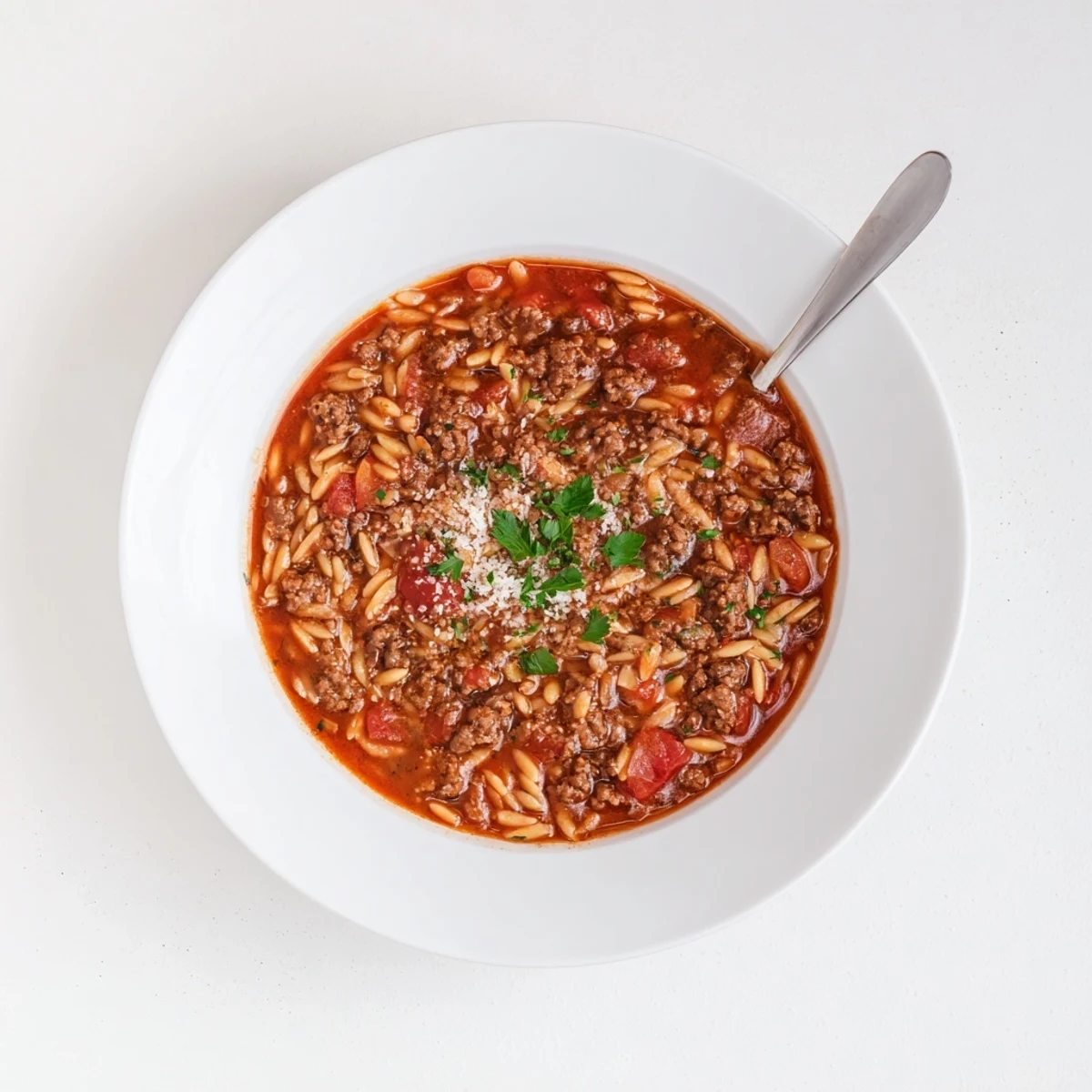
Pin This Greek one-pot combines browned ground beef, sautéed onion and garlic, crushed tomatoes, broth and orzo. After simmering to meld flavors, the orzo cooks directly in the sauce until tender. Finish with grated kefalotyri or parmesan and chopped parsley. Ready in about 50 minutes; swap half the beef for lamb for deeper flavor or add red pepper flakes for heat.
The smell of cinnamon drifting through a savory tomato sauce is one of those things that stops you mid sentence in a Greek kitchen, and this manestra is the reason why. My friend Yiannis tossed this together on a rainy Sunday in his tiny Athens apartment, and I stood by the stove genuinely confused about why cinnamon belonged near ground beef. One bite answered that question permanently.
I made this for my sister the week after I got home from Greece, and she called it Greek chili mac, which felt wildly inaccurate until she went back for a third bowl. The orzo swells and softens into something closer to risotto than soup, and the leftovers somehow taste even better the next day.
Ingredients
- Ground beef (500 g): Use a decent fat content, around 15 percent, because lean beef will leave the dish drier than you want after all that simmering.
- Onion (1 medium, finely chopped): Finely is the key word here because you want it to melt into the sauce rather than create chunky interruptions.
- Garlic (2 cloves, minced): Fresh garlic only, and add it after the onion softens so it never burns and turns bitter.
- Orzo pasta (250 g): Toasted orzo is common in Greek cooking, but here it goes straight into the simmering broth, where it soaks up flavor like a sponge.
- Olive oil (2 tbsp): A good Greek olive oil makes a quiet but real difference at the foundation of this dish.
- Canned crushed tomatoes (400 g): Crushed gives a smoother texture than diced, which is what you want for this velvety sauce.
- Tomato paste (1 tbsp): This small spoonful concentrates the tomato flavor and adds a subtle sweetness that balances the beef.
- Beef or chicken broth (2 cups): Either works, though beef broth gives a deeper, richer color and taste.
- Water (1 cup): The orzo needs extra liquid to cook through properly, so do not skip this even though it feels like too much at first.
- Dried oregano (1 tsp): Rub it between your palms before adding to wake up the essential oils and release more fragrance.
- Ground cinnamon (1/2 tsp, optional): Optional on paper, but honestly this is the soul of the dish and I strongly recommend including it.
- Bay leaf (1): Just one, and remember to fish it out before serving because biting into a bay leaf is an unpleasant surprise.
- Salt and pepper: Season in layers, once with the beef and again at the end, rather than dumping it all in at once.
- Grated kefalotyri or parmesan cheese: Kefalotyri is traditional and slightly sharper, but parmesan is a perfectly fine substitute.
- Fresh parsley, chopped: A handful at the end adds a bright, fresh contrast to the rich, heavy base.
Instructions
- Start with the aromatics:
- Heat the olive oil in a large pot or Dutch oven over medium heat, then cook the chopped onion until it turns soft and translucent, about 3 to 4 minutes. Toss in the garlic and stir for just 30 seconds until you can smell it but before it colors.
- Brown the beef:
- Add the ground beef and break it apart with a wooden spoon as it cooks, keeping at it until every piece is browned and no pink remains, roughly 6 to 7 minutes. Let it sit undisturbed for a minute here and there so actual browning happens rather than steaming.
- Bloom the spices:
- Stir in the tomato paste, oregano, cinnamon, bay leaf, salt, and pepper, then cook for about a minute until everything smells fragrant and the paste darkens slightly. This brief toasting step makes the spices taste rounded instead of raw.
- Build the sauce:
- Pour in the crushed tomatoes, broth, and water, then bring the whole pot to a boil before dropping the heat down to a gentle simmer for 10 minutes. The sauce will thicken slightly and start smelling like a proper Greek kitchen.
- Cook the orzo:
- Stir in the orzo, cover the pot, and simmer gently for about 15 minutes, stirring every few minutes so the pasta does not stick to the bottom. Check near the end and add a splash more water if it looks too thick for your liking.
- Finish and serve:
- Remove and discard the bay leaf, taste for salt and pepper, and adjust as needed. Ladle into bowls and shower each portion with grated cheese and fresh parsley while everything is still piping hot.
 Pin
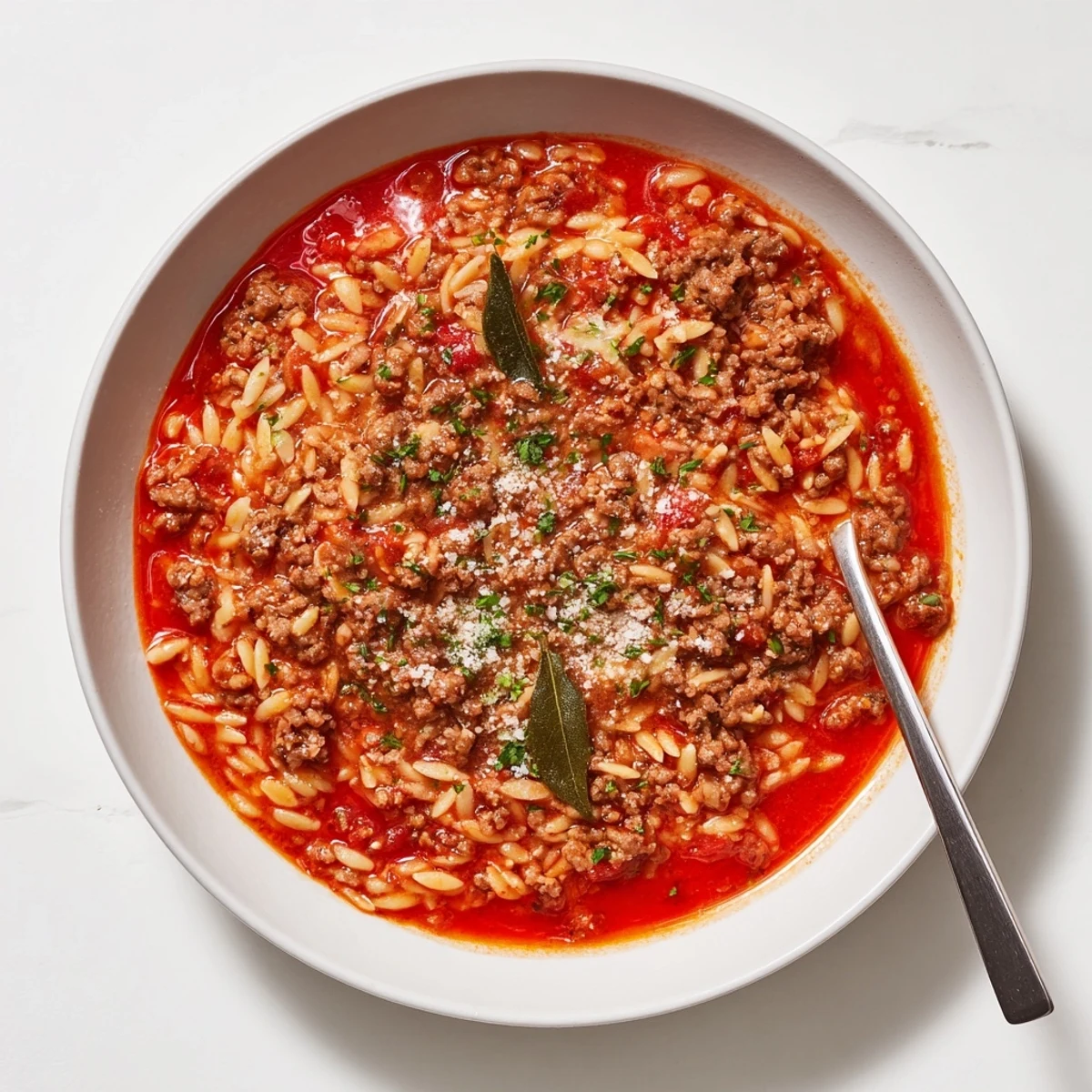
Pin The second time I made this, I doubled the batch for a potluck and watched a room full of people who had never heard of manestra scrape their bowls clean. Something about the cinnamon and tomato together makes people curious before they even take a bite, and then the richness keeps them anchored at the table.
Serving Suggestions
A crisp Greek salad with cucumber, tomato, olives, and a generous pour of olive oil is the natural companion here, cutting through the richness with acidity and crunch. Thick slices of crusty bread on the side are nonnegotiable because the sauce is too good to leave behind on the plate.
Making It Your Own
A pinch of red pepper flakes stirred in with the spices gives the whole dish a gentle heat that works surprisingly well with the cinnamon. You could also fold in a handful of spinach at the very end if you want something green without adding a separate side dish.
Getting Ahead and Storing
This dish reheats beautifully, making it an ideal candidate for weeknight meal prep or a makeahead dinner that only improves with time. Store it covered in the refrigerator for up to three days, and reheat gently on the stove with a bit of extra liquid.
- Freeze individual portions in airtight containers for up to two months, though the orzo texture will soften slightly.
- Label containers with the date so you remember which batch to use first.
- Always taste and reseason after reheating because cold storage can dull the salt and spice levels.
 Pin
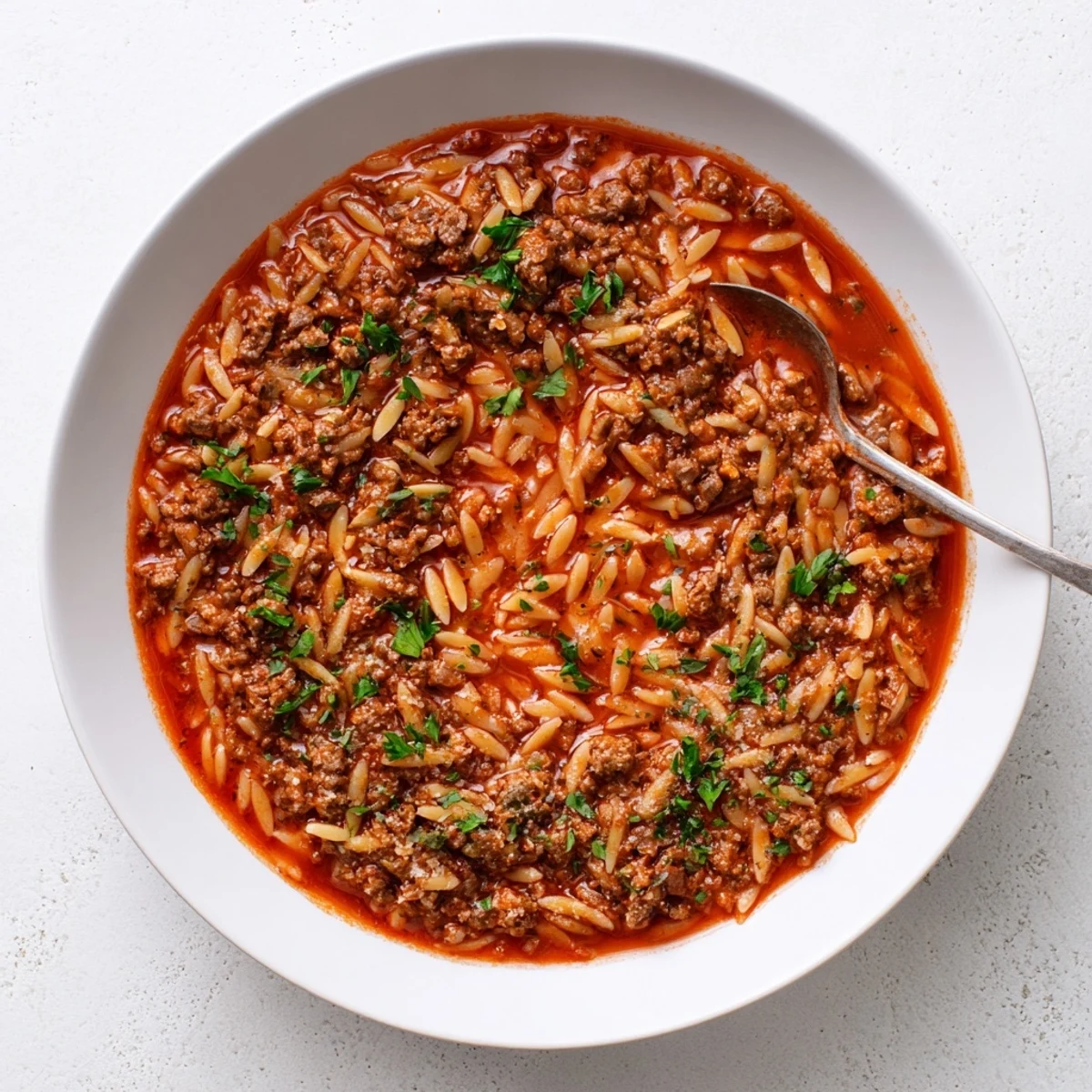
Pin This is the kind of unassuming dish that quietly becomes a regular in your rotation because it asks so little and gives so much back. Make it once and you will find yourself reaching for that cinnamon jar more often than you ever expected.
Recipe FAQs
- → How do I prevent the orzo from sticking or becoming gummy?
-
Use enough simmering liquid and stir occasionally during cooking. Keep the heat at a gentle simmer and avoid overcooking; if it thickens too much, stir in a splash of warm water or broth to loosen the texture.
- → Can I substitute another pasta for orzo?
-
Yes, small pastas like acini di pepe or small shells work best, but cooking times will vary. Add slightly less initially and cook to the pasta's suggested doneness while monitoring liquid absorption.
- → What are good protein substitutions?
-
Swap half or all of the ground beef with ground lamb for a more authentic Mediterranean profile. Turkey or a plant-based crumbled alternative can also be used; adjust seasoning and cooking time as needed.
- → How can I make this gluten-free?
-
Use certified gluten-free orzo (usually made from corn, rice, or a quinoa blend) and verify all canned goods and broths are gluten-free. Cooking time for gluten-free orzo may differ, so watch for tenderness.
- → Can this be made spicier or more aromatic?
-
Add a pinch of red pepper flakes while sautéing the aromatics for heat. Increase oregano or add a pinch of cinnamon for a warm, authentic touch—taste as you go to balance flavors.
- → How well does it reheat and any tips for leftovers?
-
Leftovers thicken as the orzo absorbs more liquid. Reheat gently on the stovetop with a splash of water or broth, stirring until loosened. Store in an airtight container in the fridge for up to 3 days.