
 Pin
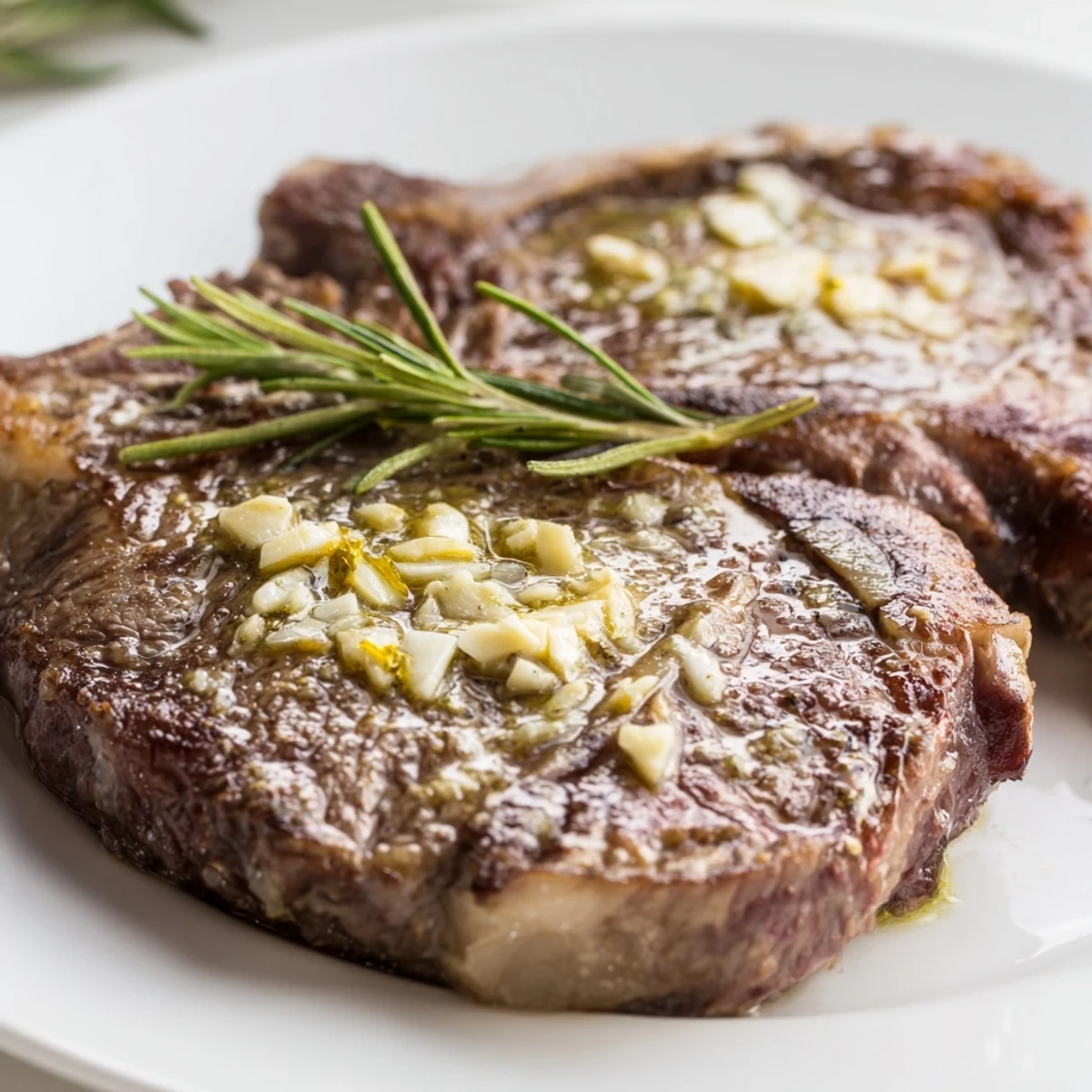
Pin Transform premium ribeye steaks into a restaurant-worthy dish with this straightforward pan-searing technique. The key lies in achieving a deep, caramelized crust before basting with melted butter infused with fresh garlic and rosemary.
This method works best with thick-cut steaks brought to room temperature before cooking. The high-heat sear locks in juices, while continuous butter basting infuses every bite with savory richness. A brief resting period ensures maximum tenderness.
Ready in under 30 minutes, this impressive main dish requires minimal ingredients yet delivers exceptional flavor. Perfect for special occasions or elevating weeknight dinners.
The sizzle of steak hitting a screaming hot cast iron pan is one of those sounds that makes everyone in the house suddenly appear in the kitchen doorway, nose leading the way. My neighbor once knocked on my door asking what I was cooking because the garlic butter aroma had drifted through the open window and straight into his living room. That is the power of a properly seared ribeye with golden, foaming butter and fragrant rosemary. It turns an ordinary Tuesday into something worth remembering.
I started making this on rainy Sunday evenings when grilling outside felt impossible and ordering takeout felt like giving up. My partner now requests it so often that I have permanently stationed a cast iron skillet on the back burner, ready to go at a moments notice.
Ingredients
- Ribeye steaks (2, about 1 inch thick, 250g each): Ribeye is the right choice here because its marbling melts during cooking and keeps the meat incredibly juicy from edge to edge.
- Unsalted butter (3 tablespoons): Unsalted gives you total control over seasoning and lets the garlic and herbs shine without any salty interference.
- Olive oil (1 tablespoon): This has a higher smoke point than butter, so it creates the initial crust while the butter would burn if used alone at high heat.
- Garlic cloves, finely minced (4): Fresh garlic is non negotiable here because the pre minced jarred version lacks the sharp, sweet punch that melts into the butter.
- Fresh rosemary sprigs (2) or thyme: Woody herbs like rosemary infuse the butter with a piney warmth that dried herbs simply cannot replicate.
- Salt and freshly ground black pepper: Be generous with both because a well seasoned crust is the foundation of every great steak.
Instructions
- Bring steaks to room temperature:
- Pull the steaks from the fridge about twenty minutes before you plan to cook and pat them thoroughly dry with paper towels because moisture is the enemy of a good sear.
- Season with confidence:
- Coat both sides of each steak with a generous layer of salt and pepper, pressing it in gently with your palms so it adheres rather than falling off in the pan.
- Get the pan ripping hot:
- Set a heavy cast iron skillet over high heat, add the olive oil, and wait until you see faint wisps of smoke rising from the surface before laying the steaks down carefully away from you.
- Sear and build the crust:
- Let the steaks cook undisturbed for two to three minutes per side until a deep mahogany brown crust forms and releases naturally from the pan without sticking.
- Add the garlic butter:
- Drop the heat to medium, toss in the butter, minced garlic, and rosemary sprigs, and let the butter melt into a golden, bubbling pool that immediately fills your kitchen with an incredible aroma.
- Baste like a professional:
- Tilt the pan slightly toward you and use a large spoon to scoop up the foaming garlic butter, drizzling it continuously over the steaks for two to three minutes until they reach your preferred doneness, aiming for an internal temperature of 130 degrees Fahrenheit for a perfect medium rare.
- Rest before slicing:
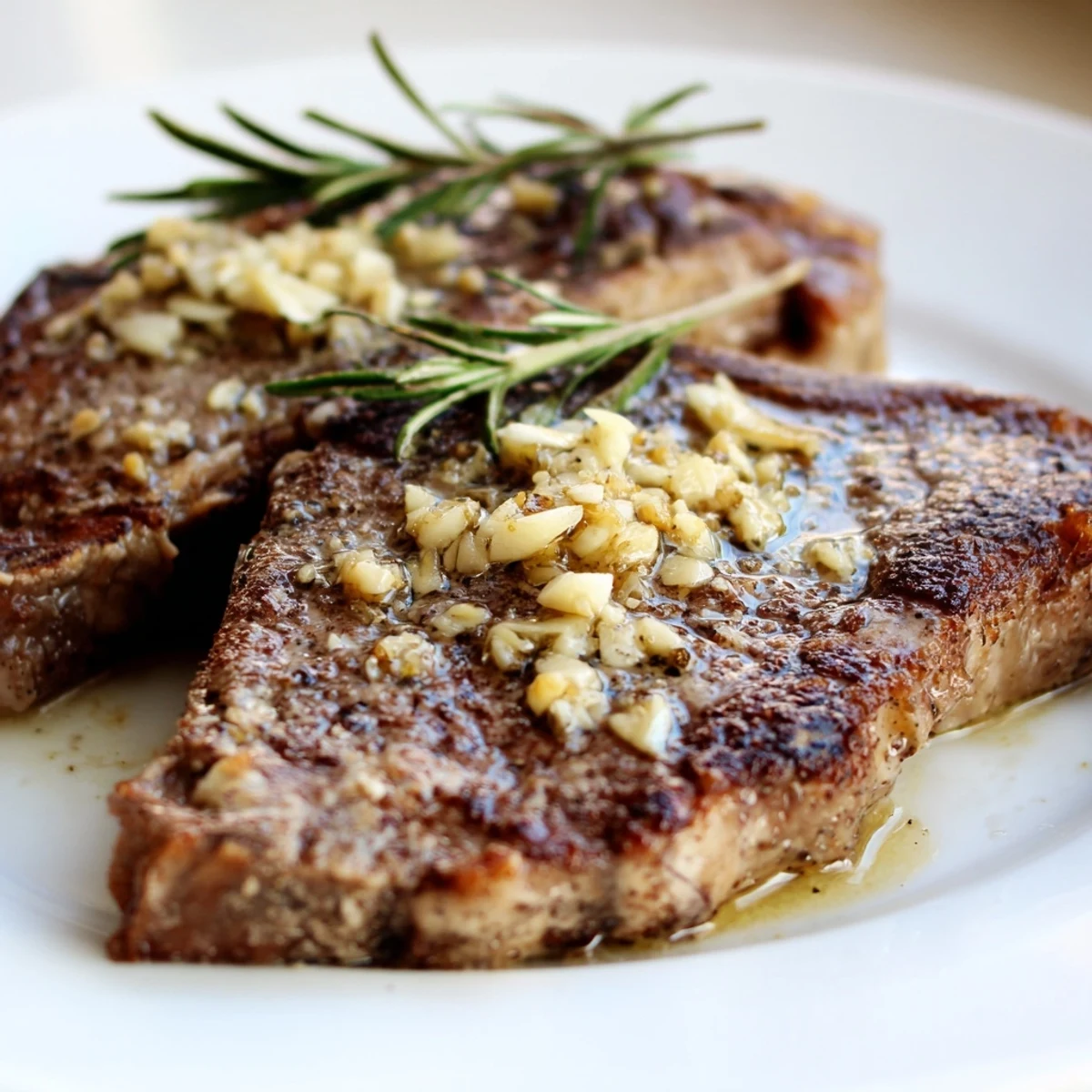
- Transfer the steaks to a warm plate and let them rest for five full minutes so the juices redistribute evenly through the meat instead of spilling onto your cutting board.
 Pin
Pin The first time I served this to friends, we ended up standing around the kitchen island eating straight off the cutting board with our fingers, completely abandoning the plates I had set out.
Pairing Suggestions That Actually Work
A bold Cabernet Sauvignon or a peppery Malbec stands up beautifully to the richness of the butter and the intensity of the seared beef.
What to Serve Alongside
Roasted potatoes with crispy edges, lightly steamed green beans, or a simple arugula salad dressed with lemon and olive oil all complement the steak without competing for attention.
A Few Last Thoughts Before You Cook
Every stove and every pan behaves a little differently, so trust your senses over the timer and adjust as you go.
- A splash of fresh lemon juice right before serving brightens everything up beautifully.
- Finishing with flaky sea salt on top adds a satisfying crunch that regular table salt cannot match.
- Always open a window or turn on the exhaust fan because searing steak creates smoke and that is completely normal.
 Pin
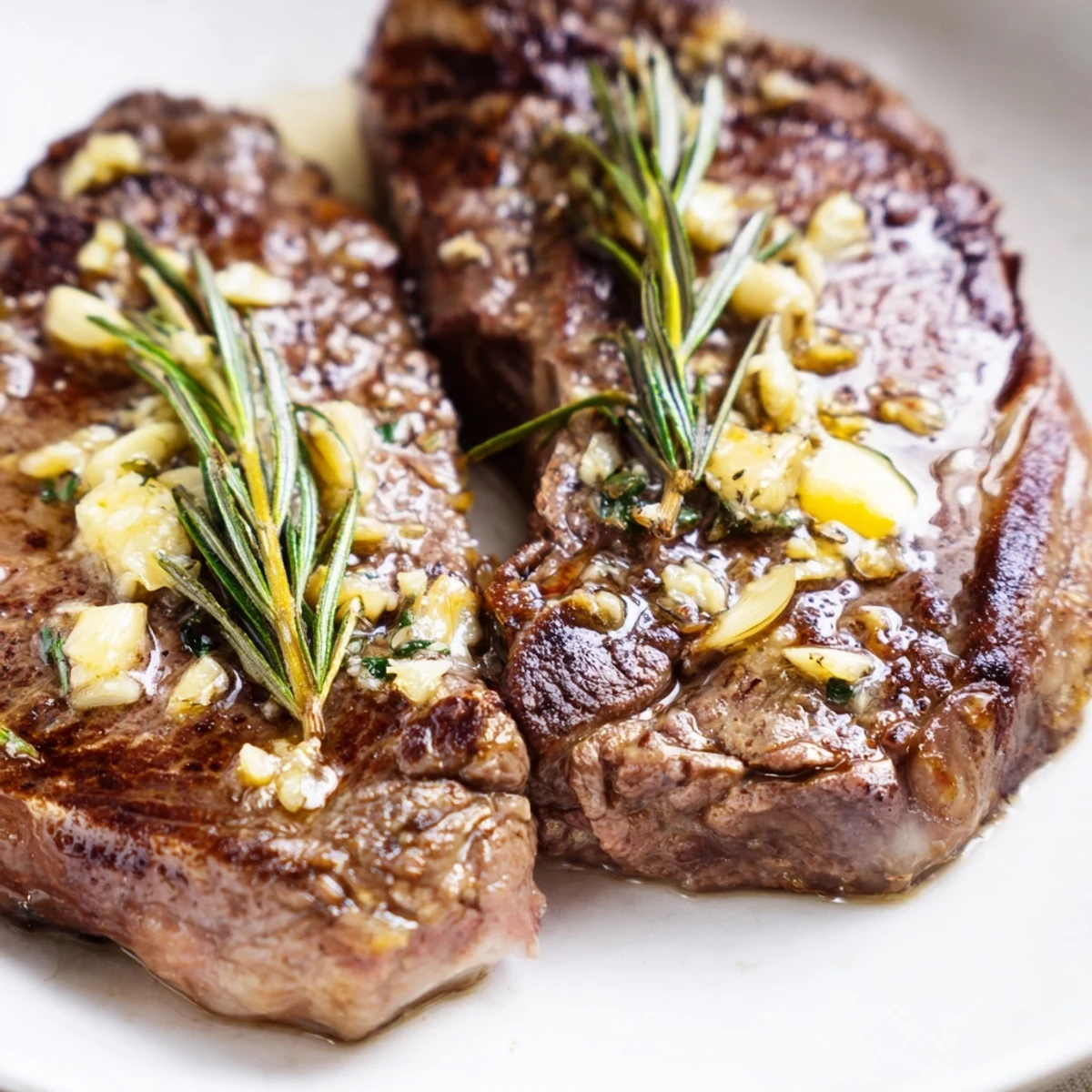
Pin Once you master this garlic butter basting technique, you will find yourself reaching for the cast iron skillet on autopilot every week, and honestly, your kitchen and everyone in it will be better for it.
Recipe FAQs
- → What cut of steak works best?
-
Ribeye steaks are ideal due to their marbling and tenderness. New York strip or filet mignon also work well with this preparation method.
- → Why let steaks reach room temperature?
-
Room-temperature steaks cook more evenly, allowing the interior to reach desired doneness without overcooking the exterior during high-heat searing.
- → How do I know when it's done?
-
Use a meat thermometer for accuracy. Medium-rare reaches 130°F internally. Alternatively, the touch method provides a rough guide—firm meat indicates well-done.
- → Can I use dried herbs instead of fresh?
-
Fresh rosemary or thyme provides superior flavor infusion in the butter. If using dried, reduce the quantity and add them earlier to the hot butter.
- → What's the purpose of resting?
-
Resting allows juices to redistribute throughout the meat. Cutting immediately results in flavorful liquid escaping onto the plate rather than staying in the steak.
- → Can I make this dairy-free?
-
Substitute the butter with olive oil or ghee for a dairy-free version. The basting technique remains effective, though the flavor profile will be slightly different.