
 Pin
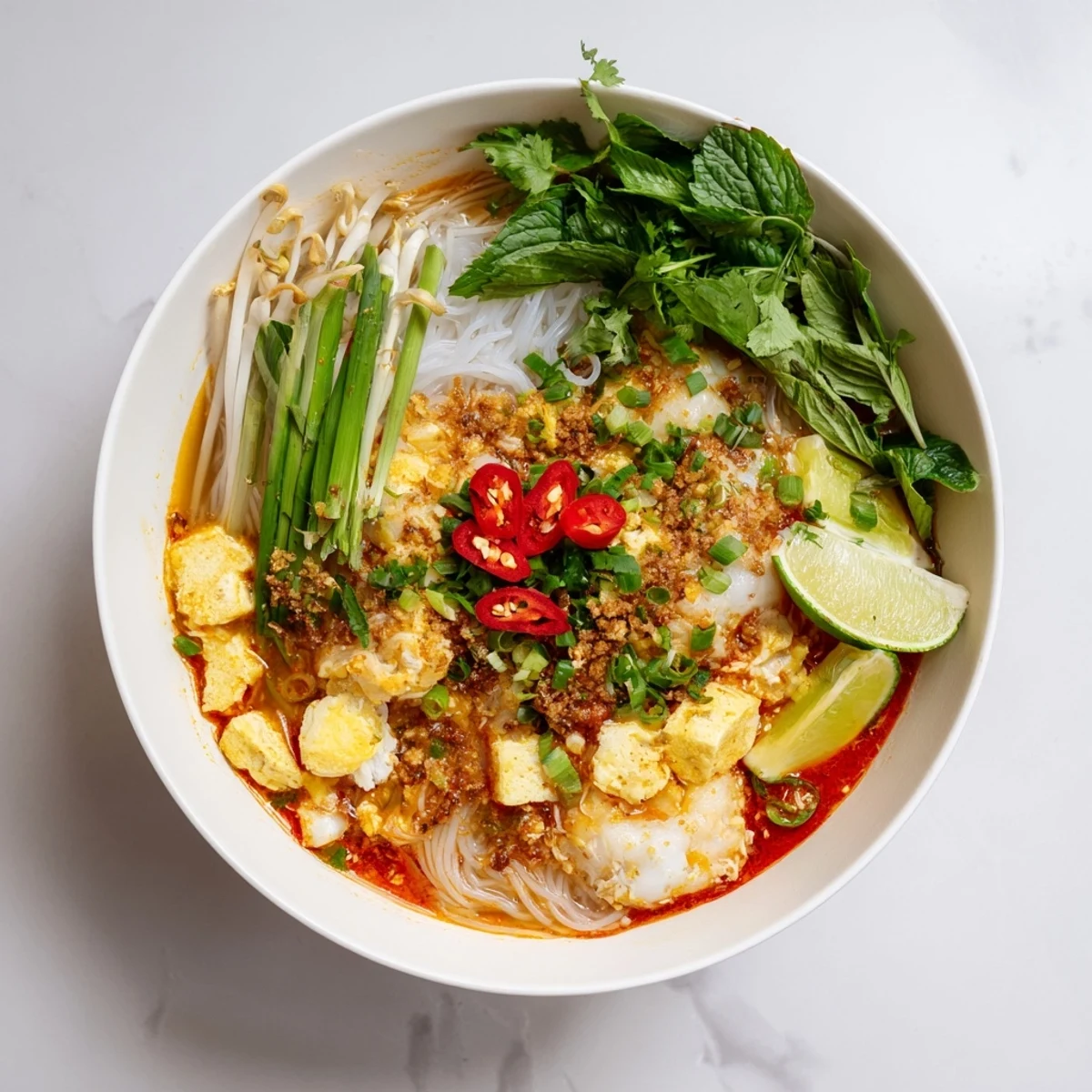
Pin This classic Vietnamese soup combines sweet crab meat with ripe tomatoes and firm tofu in a rich, tangy broth. The key is creating light, fluffy crab dumplings that float in the deeply flavorful liquid. Fresh herbs, bean sprouts, and lime add brightness to every spoonful.
Perfect for weekend cooking, the broth develops depth during the 45-minute simmer while you prepare the garnishes. The result is a restaurant-quality bowl that rivals your favorite Vietnamese spot.
Rainy Sunday afternoons were made for soup in our house, especially when the weather turned muggy and you could smell approaching storms in the air. My grandmother would start the broth early, letting the onion and garlic perfume the entire kitchen before she even touched the crab. Those afternoons taught me that good things, especially complex Vietnamese soups, require patience and presence.
I once attempted this soup during a dinner party, rushing the crab mixture and ending up with broken clouds instead of those fluffy floating dumplings that make this dish so beautiful. Everyone still loved it, but I learned that gentle heat and patience transform the crab eggs into tender pillows rather than scrambled bits. Now I treat that step like a meditation, moving slowly and deliberately.
Ingredients
- Chicken or pork broth: Homemade adds depth, but a quality store bought version works perfectly if you boost it with aromatics
- Onion and garlic: Smashed garlic releases more flavor, and leaving onion skins on gives the broth a beautiful golden hue
- Fish sauce: The backbone of Vietnamese cooking, invest in a good brand and adjust to your taste preference
- Crab meat: Fresh lump crab is ideal, but high quality canned crab works surprisingly well in this soup
- Eggs: Room temperature eggs blend better with the crab for a lighter, fluffier texture
- Shallots: Their mild sweetness bridges the gap between the briny crab and savory broth
- White pepper: Use freshly ground for a clean, aromatic heat that wont make the broth muddy
- Ripe tomatoes: They should yield slightly to pressure, releasing their juices into the broth for natural sweetness and acidity
- Firm tofu: Holds its shape during cooking and absorbs the surrounding flavors without falling apart
- Annatto oil: Optional but traditional, it gives the soup that signature reddish orange glow
- Rice vermicelli: Soak them in warm water for 20 minutes before boiling for perfectly tender noodles
- Fresh herbs: The combination of perilla, rau răm, and cilantro is non negotiable for authentic flavor
Instructions
- Build the foundation:
- Simmer your broth with halved onion and smashed garlic for 20 minutes, then strain out the solids for a clean, aromatic base
- Season the broth:
- Stir in fish sauce, salt, and sugar, tasting as you go and remembering that the crab mixture will add more seasoning later
- Mix the cloud mixture:
- Combine crab, eggs, fish sauce, chopped shallots, and white pepper until smooth, then let it rest while you prep everything else
- Create the crab clouds:
- Return broth to a gentle simmer and carefully drop spoonfuls of crab mixture into the liquid, letting them float undisturbed until set
- Sauté the base vegetables:
- Cook tomato wedges in oil until they release their juices and soften, then add tofu cubes to brown slightly
- Bring it all together:
- Add the sautéed tomatoes and tofu to the broth, simmering gently for 10 minutes so the flavors marry
- Prep the noodles:
- Cook vermicelli according to package directions, rinse immediately with cold water to stop cooking and prevent sticking
- Compose the bowls:
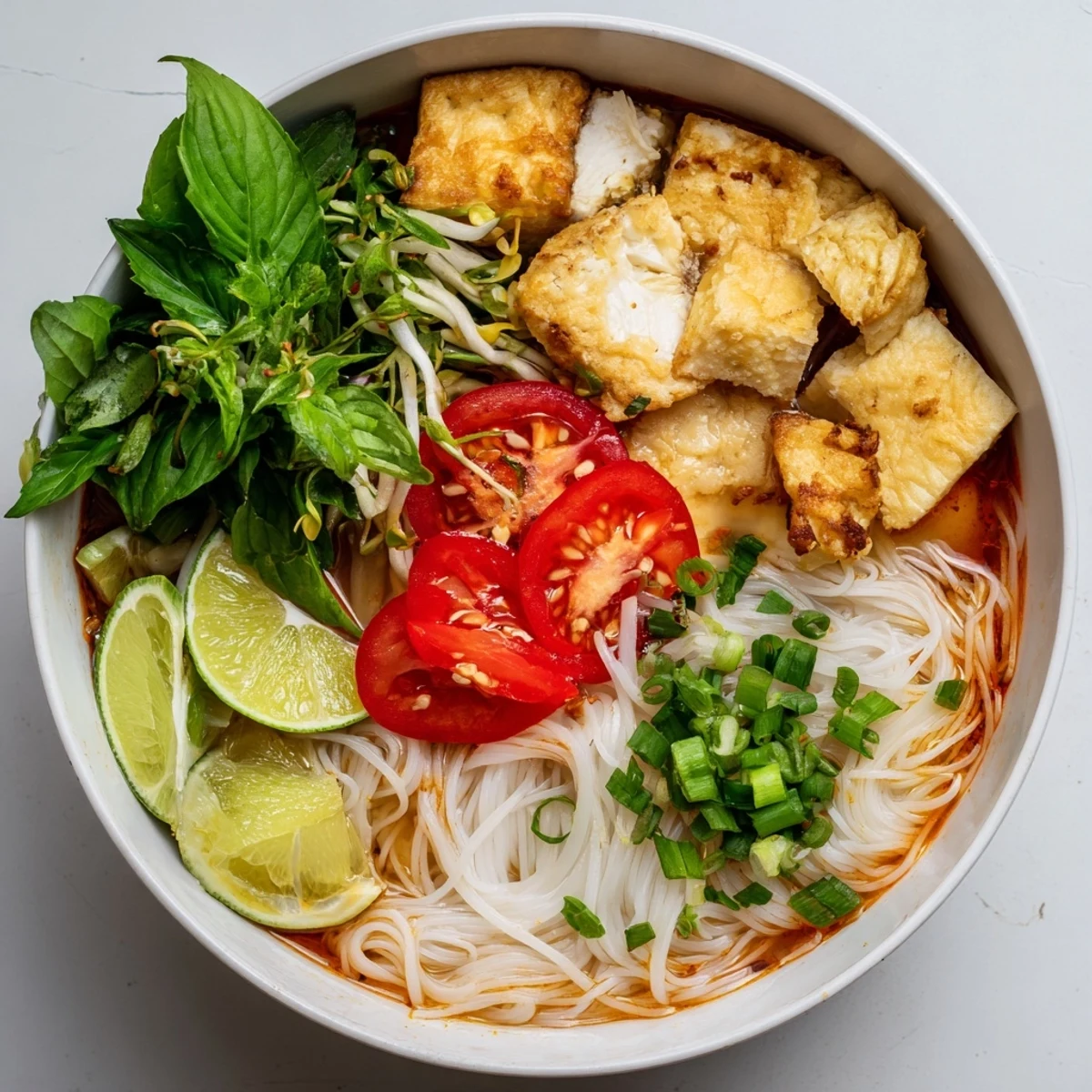
- Layer noodles at the bottom, ladle over the hot soup with all its treasures, and finish with an herb garden of garnishes
 Pin
Pin My friend Lan tried this recipe and called me in a panic because her broth looked too clear. I told her about the annatto oil trick and how the tomatoes would eventually release their color. She called back an hour later, almost giddy, saying the transformation was like watching a sunset bloom in her pot.
Making It Your Own
Some cooks add pineapple chunks for extra sweetness and acidity, while others include water spinach for that authentic street food touch. I have seen versions with pork blood jelly, which deepens the richness, though it is definitely an acquired taste for newcomers to Vietnamese cuisine.
The Art of Garnishing
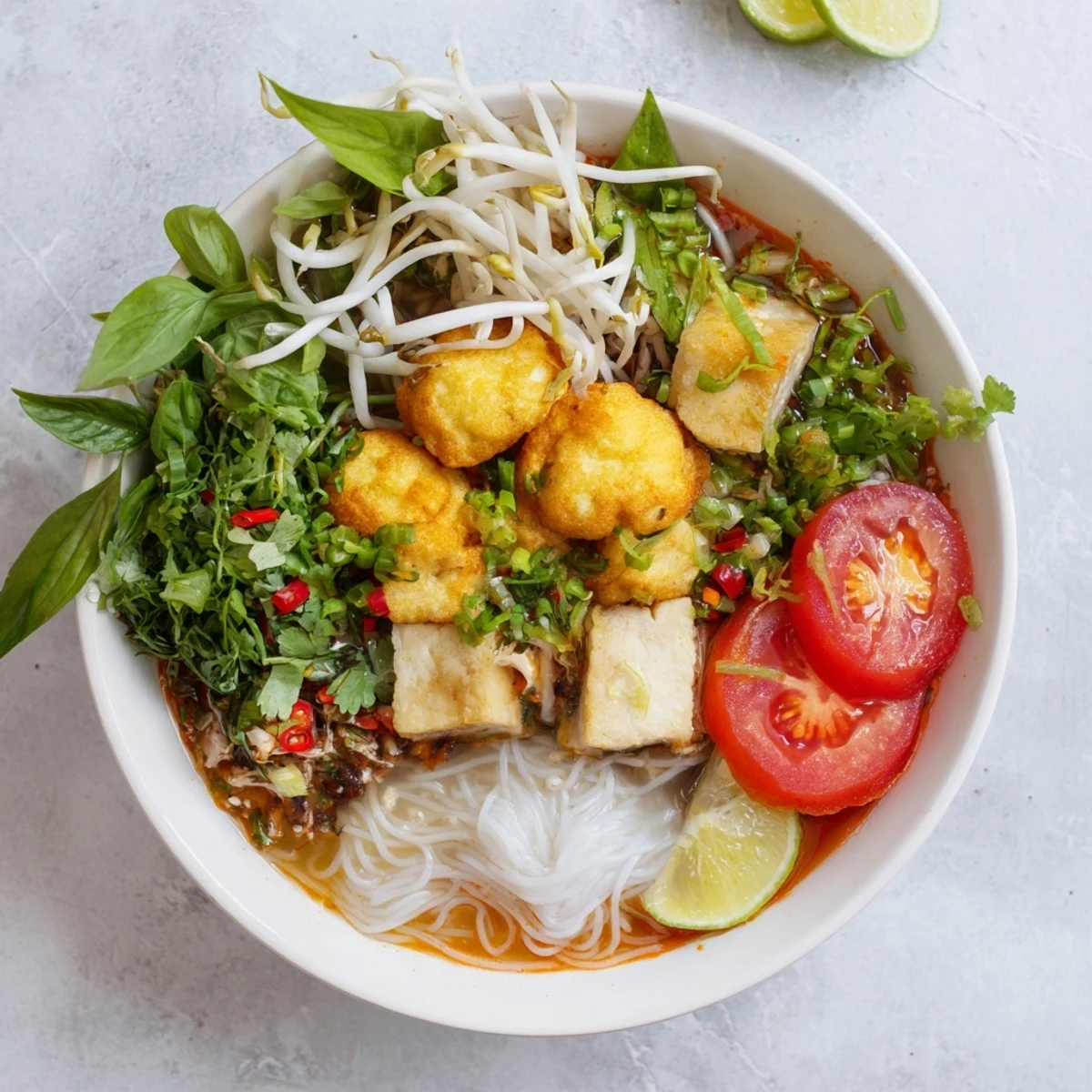
A proper bowl of bun rieu should look like a small garden, with herbs piled high and lime wedges ready to squeeze. The shrimp paste, potent on its own, becomes magical when dotted into the soup, adding an umami depth that somehow makes everything else taste brighter and more alive.
Timing Like a Pro
Professional cooks have their noodles rinsed and herbs chopped before the broth even goes on the stove. Nothing is worse than having perfectly cooked soup waiting while you scramble to prep garnishes, losing heat and momentum in the process.
- Set up your garnish station before you start cooking
- Have all ingredients measured and prepped before turning on the stove
- Keep bowls warming in a low oven so everything comes together at serving temperature
 Pin
Pin This soup rewards the curious cook who understands that Vietnamese cuisine is about balance, contrast, and the courage to taste and adjust until everything sings together.
Recipe FAQs
- → What makes Bun Rieu different from other Vietnamese noodle soups?
-
Bun Rieu features fluffy crab and egg dumplings floating in a tangy tomato-based broth, unlike the clear beef broth of Pho or the rich chicken base of Mi. The combination of fresh crab, ripe tomatoes, and annatto oil creates its signature reddish-orange color and unique sweet-tangy flavor profile.
- → Can I use imitation crab or fresh crab meat?
-
Fresh lump crab meat provides the best texture and flavor, but high-quality canned crab works well. Avoid imitation crab as it lacks the natural sweetness needed for the broth. Some cooks mix crab with small shrimp for added depth.
- → Is annatto oil necessary for authentic flavor?
-
Annatto oil primarily contributes the traditional red-orange color rather than significant flavor. While optional, it creates the authentic appearance. You can make it by steeping annatto seeds in warm oil, or purchase it pre-made at Asian markets.
- → How do I prevent the crab mixture from falling apart?
-
Ensure the broth maintains a gentle simmer, not a rolling boil. Drop small spoonfuls of the mixture into the hot liquid and let them float naturally without stirring for 4-5 minutes until set. The eggs act as a binder, but high heat can break them apart.
- → What herbs are essential for serving?
-
Fresh perilla leaves, Vietnamese coriander (rau răm), cilantro, and scallions are traditional. Bean sprouts add crunch while lime wedges provide acidity. These aromatic herbs aren't just garnish—they're essential to the authentic dining experience.
- → Can I make this soup vegetarian?
-
Traditional Bun Rieu relies heavily on crab for flavor, but you can create a vegetarian version using mashed tofu mixed with mushrooms for texture. Use vegetable broth and enhance with seaweed or mushroom seasoning for umami depth.