
 Pin
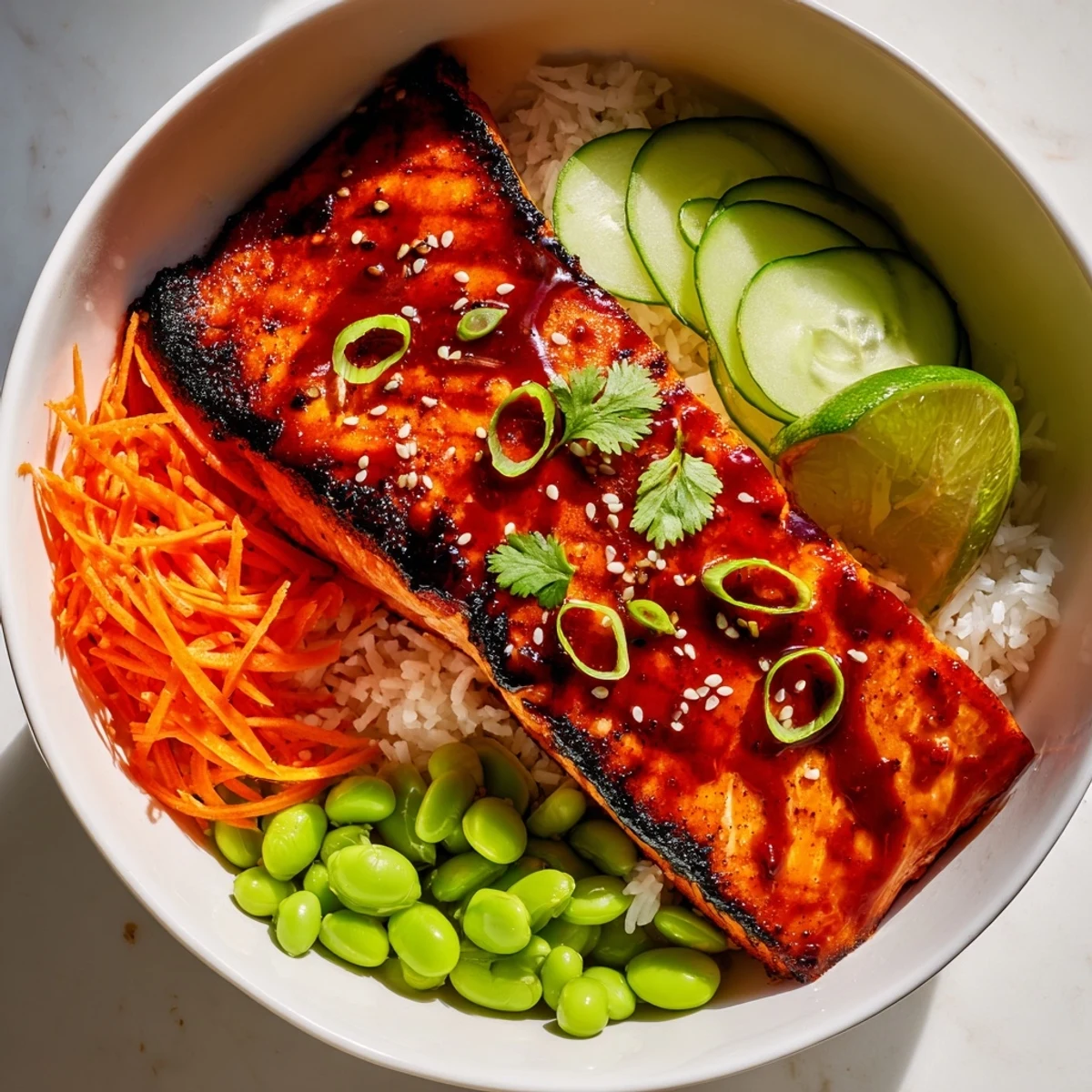
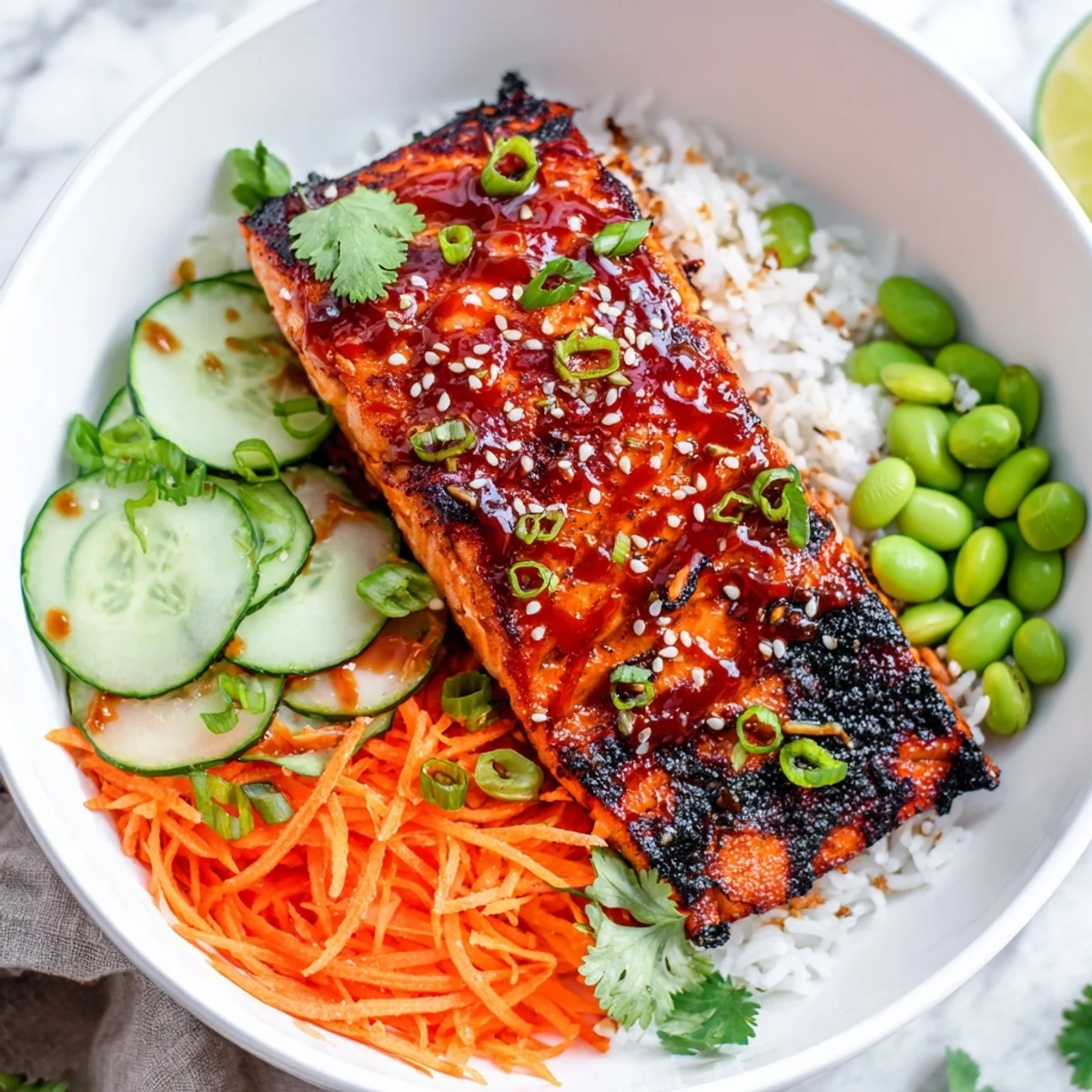
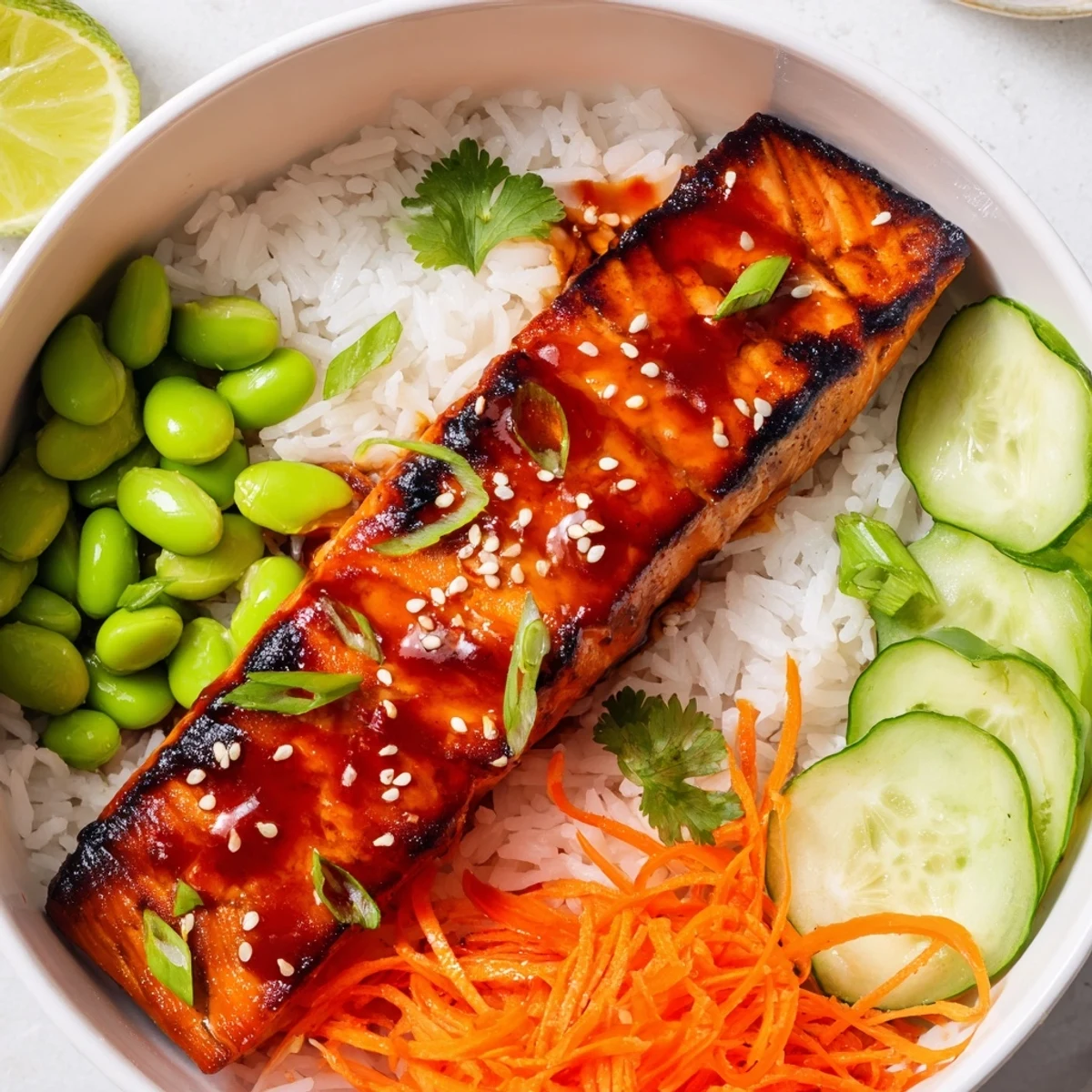
Pin These sriracha honey glazed salmon bowls bring together the perfect balance of sweet, spicy, and savory flavors. Succulent salmon fillets are baked with a caramelized honey-sriracha glaze until perfectly flaky.
Served over fluffy steamed rice and topped with crisp cucumber, shredded carrots, edamame, and a sprinkle of sesame seeds, each bowl is a complete meal that comes together in just 35 minutes. The homemade glaze combines honey, sriracha, soy sauce, rice vinegar, garlic, and ginger for an irresistible Asian-inspired finish.
The smell of caramelized honey and sriracha hitting a hot oven is the kind of thing that makes neighbors knock on your door asking what you are cooking. I stumbled onto this combination one rainy Tuesday when the only proteins in my fridge were four lonely salmon fillets and a nearly empty bottle of sriracha. That evening turned into one of those happy accidents that permanently earns a spot in your weekly dinner rotation. The bowl concept came later, but the glaze was love at first sizzle.
I made these bowls for my sister the night she passed her licensing exam, and she literally stopped mid sentence to close her eyes and chew. We sat on the kitchen floor with our bowls balanced on our laps because the table was covered in mail and we could not be bothered to move it. Sometimes the best meals happen when you stop caring about presentation and just eat where you are standing.
Ingredients
- Salmon fillets (4, about 150 g each): Skin on or off works but I find skin off lets the glaze penetrate more evenly and avoids that debate about whether the skin is crispy enough to eat.
- Olive oil (1 tbsp): Just enough to create a barrier between the fish and the dry heat of the oven so the glaze does not burn on contact.
- Salt and black pepper: A light hand here because the soy sauce in the glaze is already doing heavy lifting on the salt front.
- Honey (3 tbsp): The backbone of the glaze and the reason it gets those gorgeous charred edges under the broiler.
- Sriracha sauce (2 tbsp): Adjust up or down depending on your heat tolerance but remember the honey tames it significantly.
- Low sodium soy sauce (2 tbsp): Adds umami depth without making the whole thing taste like a salt lick.
- Rice vinegar (1 tbsp): A small splash of acidity that brightens everything and keeps the sweetness from becoming cloying.
- Garlic (1 clove, minced): Fresh is nonnegotiable here because the jarred stuff gets lost in the assertive flavors of sriracha and soy.
- Fresh ginger (1 tsp, grated): Microplane it directly into the saucepan for the most punch and do not bother peeling it first.
- Cooked white or brown rice (2 cups): Make this ahead or use leftover rice from yesterday because cold rice actually absorbs the glaze beautifully.
- Cucumber (1 cup, thinly sliced): Adds a cool crunch that balances the warm spicy salmon and you want these slices paper thin.
- Shredded carrots (1 cup): I use a julienne peeler because the thin matchstick shape grips the glaze and soy sauce that drips down.
- Edamame (1 cup, shelled and cooked): A pop of green protein that makes the bowl feel complete without any extra effort.
- Green onions (2, thinly sliced): Scatter these on last because their sharp fresh bite cuts through the richness of the glazed fish.
- Sesame seeds (1 tbsp): Toasted if you have five extra seconds because the difference in flavor is genuinely surprising.
- Fresh cilantro or mint (optional garnish): Cilantro for a more traditional Asian flavor or mint if you want something unexpected and bright.
- Lime wedges for serving: Do not skip this because a squeeze of lime over the whole bowl ties every single flavor together.
Instructions
- Preheat and prepare the tray:
- Set your oven to 200 degrees C (400 degrees F) and line a baking tray with parchment paper so the sticky glaze does not become a permanent souvenir on your pan.
- Build the glaze:
- Combine the honey, sriracha, soy sauce, rice vinegar, garlic, and ginger in a small saucepan over medium heat. Stir until it bubbles and thickens slightly which should take about two to three minutes, then pull it off the heat and set aside.
- Prep the salmon:
- Pat each fillet dry with paper towels because moisture is the enemy of a good glaze adherence. Brush with olive oil and give a modest sprinkle of salt and pepper before arranging them on the tray with a little breathing room between each piece.
- Glaze the fillets:
- Use a brush to coat each fillet generously, saving a few spoonfuls of glaze in the pan for drizzling at the end. Really lay it on thick because some of it will caramelize and some will drip off during baking.
- Bake until flaky:
- Slide the tray into the oven for twelve to fifteen minutes until the salmon flakes apart easily when you press it with a fork. If you want those irresistible blistered edges, flip the broiler on for the final minute or two and watch it like a hawk.
- Assemble the bowls:
- Spoon rice into four bowls and arrange the cucumber, carrots, and edamame in little clusters around the edges because eating with your eyes first is a real thing. Lay a glazed salmon fillet on top of each bed of rice.
- Finish and serve:
- Drizzle the reserved glaze over each fillet and scatter with green onions, sesame seeds, and whatever herbs you are using. Hand everyone a lime wedge and tell them to squeeze generously before their first bite.
 Pin
Pin There was a Sunday when I plated this carefully for a photo and then immediately knocked the bowl off the counter while reaching for my phone. My dog ate half the salmon before I could react and honestly I could not even be mad because he had excellent taste.
What to Serve Alongside
A glass of chilled Sauvignon Blanc is my go to pairing because its grassy acidity plays beautifully with the sweet heat of the glaze. If wine is not your thing, a cold sesame ginger tea or even sparkling water with a squeeze of lime keeps the meal feeling light and refreshing.
Swaps and Substitutions
Quinoa works brilliantly in place of rice if you want a higher protein base, and honestly the nutty flavor pairs even better with the sriracha honey profile. Tamari swaps in seamlessly for soy sauce to make this gluten free without sacrificing any depth of flavor.
Storage and Leftover Strategy
Leftover salmon keeps in the fridge for up to two days and makes an incredible next day lunch when flaked cold over a fresh bowl with extra lime. The glaze firms up in the refrigerator but loosens again with a quick stint in the microwave or a splash of warm water.
- Store the salmon and rice separately from the raw vegetables to keep everything at its best texture.
- Reheat the salmon gently at a low temperature because blasting it will dry it out and kill the delicate glaze.
- Always make a little extra glaze because you will want it for drizzling on leftovers.
 Pin
Pin Some recipes earn their place in your kitchen through effort and spectacle, but this one earns it through sheer reliability and the way it makes a random weeknight feel like you treated yourself. Keep sriracha and honey on hand and dinner is never far away.
Recipe FAQs
- → Can I use frozen salmon fillets for this dish?
-
Yes, frozen salmon works well. Thaw it completely in the refrigerator overnight before cooking. Pat the fillets dry thoroughly before applying the glaze to ensure proper caramelization and adhesion.
- → How do I know when the salmon is fully cooked?
-
The salmon is done when it flakes easily with a fork and reaches an internal temperature of 63°C (145°F). Baking typically takes 12–15 minutes at 200°C (400°F). A brief broil at the end adds a beautiful caramelized crust.
- → What can I substitute for sriracha to adjust the spice level?
-
For milder heat, use a mild chili sauce or reduce the sriracha to one tablespoon and increase the honey. For more spice lovers, add extra sriracha or a dash of chili garlic sauce. Sweet chili sauce is a great mild alternative.
- → Can I meal prep these salmon bowls ahead of time?
-
Prepare the glaze and chop vegetables up to two days in advance. Cook the salmon fresh when ready to serve for the best texture. Store components separately in airtight containers in the refrigerator and assemble just before eating.
- → What rice works best for these bowls?
-
Short-grain white rice or jasmine rice provides the most authentic texture. Brown rice adds a nuttier flavor and more fiber. Quinoa, cauliflower rice, or soba noodles also make excellent bases for variation.