
 Pin
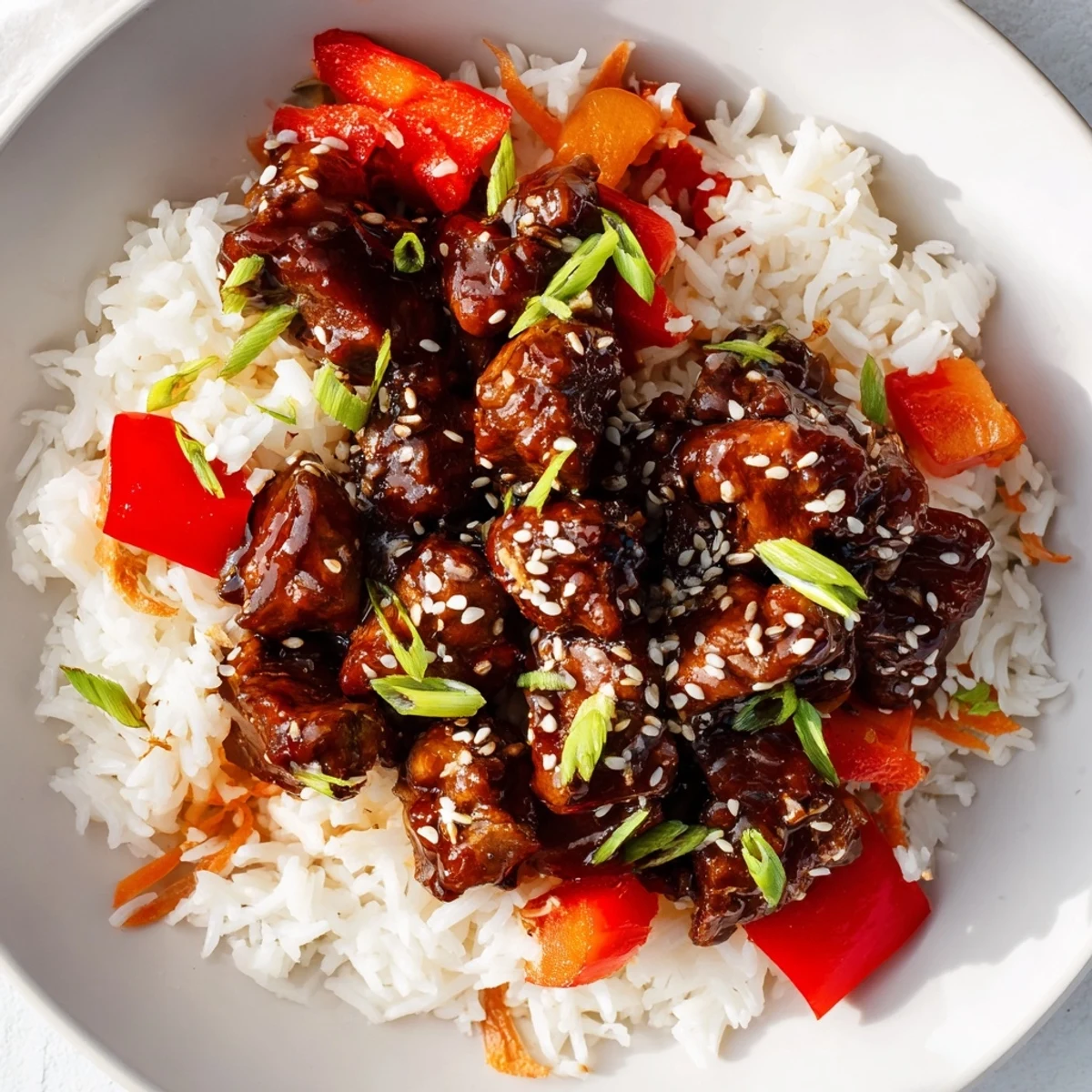
Pin This satisfying one-skillet meal combines bite-sized chicken thighs marinated in a savory blend of Korean BBQ sauce, soy sauce, garlic, and ginger with fluffy jasmine rice. Fresh vegetables including bell peppers, onions, and carrots add color and crunch while cooking alongside the grains.
The entire dish comes together in a single pan—simply brown the marinated chicken, add vegetables, stir in the rice with chicken broth, and let it simmer until tender. The result is a flavorful, complete meal that's perfect for feeding a family with minimal cleanup.
The first time I made this Korean BBQ chicken skillet, my kitchen smelled like my favorite takeout spot but somehow better—more personal, more comforting. My roommate walked in mid-simmer and actually asked if I'd secretly ordered delivery. That steam rising from the pan, all caramelized and fragrant, told me everything was going to be alright.
I've made this on Tuesday nights when energy runs low but cravings run high, and I've made it for friends who swore they didnt like Korean food until this bowl changed their minds. Something about that sweet-savory sauce hitting hot rice just makes people lean in a little closer.
Ingredients
- 500 g boneless, skinless chicken thighs: Thighs stay juicier through the simmering process, and cutting them into bites means more surface area for that sauce to cling to
- 4 tbsp Korean BBQ sauce: This is your flavor foundation—look for a gochujang-based sauce or use your favorite bulgogi marinade
- 2 tbsp soy sauce: Adds that essential umami depth that balances the sweetness
- 1 tbsp sesame oil: Dont skip this—its what gives the dish that unmistakable Korean aroma
- 1 tbsp honey: Helps create those gorgeous caramelized bits on the chicken
- 2 cloves garlic, minced: Fresh garlic makes a difference here, so dont use the jarred stuff
- 1 tsp grated fresh ginger: Grate it right into the bowl to catch all those flavorful juices
- 1 small onion, diced: They sweeten as they cook, melting into the background beautifully
- 1 red bell pepper, sliced: Adds a fresh crunch and bright color against the golden rice
- 1 cup carrots, julienned: Thin slices cook through quickly while maintaining a little bite
- 1 cup jasmine or short-grain white rice, rinsed: Rinse until the water runs clear—this prevents gummy results
- 2 cups low-sodium chicken broth or water: Low-sodium lets you control the salt level since the sauces already bring plenty of seasoning
- 2 green onions, sliced: That fresh onion bite on top cuts through the richness
- 1 tbsp toasted sesame seeds: Toast them in a dry pan for 2 minutes first—deepens their nutty flavor immensely
- Kimchi or pickled vegetables: Not essential, but that tangy crunch transforms the bowl into something complete
Instructions
- Marinate the chicken:
- Combine chicken pieces with Korean BBQ sauce, soy sauce, sesame oil, honey, garlic, and ginger in a medium bowl. Let it sit for at least 10 minutes while you prep everything else—the longer it marinates, the more flavor penetrates.
- Sear the chicken:
- Heat a splash of oil in a large, deep nonstick skillet over medium-high heat. Add the marinated chicken and cook for 3-4 minutes until lightly browned—dont overcrowd the pan or youll steam instead of sear.
- Add the vegetables:
- Toss in onion, bell pepper, and carrots, sautéing for 2-3 minutes until they start to soften. You want them to lose their raw edge but still have some texture when everything finishes cooking.
- Coat the rice:
- Stir in the rinsed rice and mix thoroughly to coat every grain with those flavorful pan juices. This toasting step is what gives the final dish such depth.
- Simmer everything together:
- Pour in chicken broth and bring to a boil, then reduce heat to low, cover tightly, and simmer for 20-25 minutes. Resist the urge to peek—letting the steam do its work ensures fluffy, perfectly cooked rice.
- Rest and fluff:
- Remove from heat and let the pan sit covered for 5 minutes. This final resting period helps the rice settle and finish cooking evenly. Fluff gently with a fork before serving.
- Finish with toppings:
- Sprinkle with green onions and sesame seeds right before serving. The contrast of those fresh, crunchy elements against the tender, saucy base is what makes each bite exciting.
 Pin
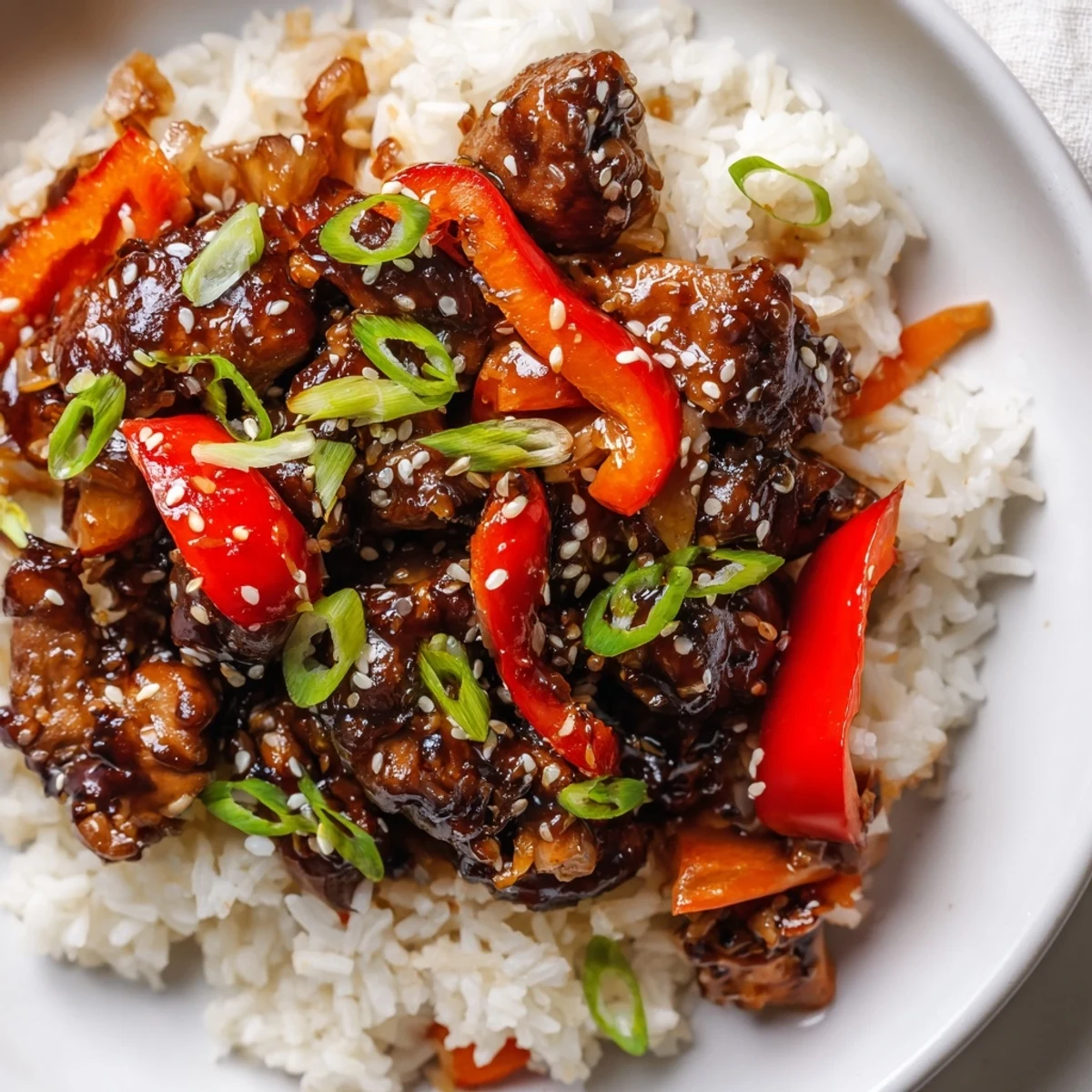
Pin Last winter, I made this for my sister who was recovering from surgery and too tired to cook. She took one bite and immediately asked for the recipe, saying it tasted like something a restaurant would serve but with that homemade warmth that takeout never quite captures.
Getting The Rice Right
Jasmine rice works beautifully here, but short-grain rice gives you that slightly sticky texture that makes Korean rice dishes so satisfying. Whatever you choose, rinse it thoroughly—those excess starches will turn your one-pan meal into a gummy mess if you skip this step.
Making It Your Own
Sometimes I add a tablespoon of gochujang to the marinade when I want extra heat, and other times I throw in whatever vegetables are languishing in my crisper drawer. The sauce is forgiving—it enhances almost anything you throw at it.
Serving Suggestions
This dish needs nothing more than maybe some kimchi on the side for that tangy contrast, but a simple cucumber salad dressed with rice vinegar works beautifully too. The cool, crisp elements balance the rich, savory flavors perfectly.
- Set out small bowls of extra gochujang at the table so everyone can adjust their own heat level
- A soft fried egg on top turns this into a complete meal with almost no extra effort
- Leftovers reheat beautifully with a splash of water to loosen the rice
 Pin
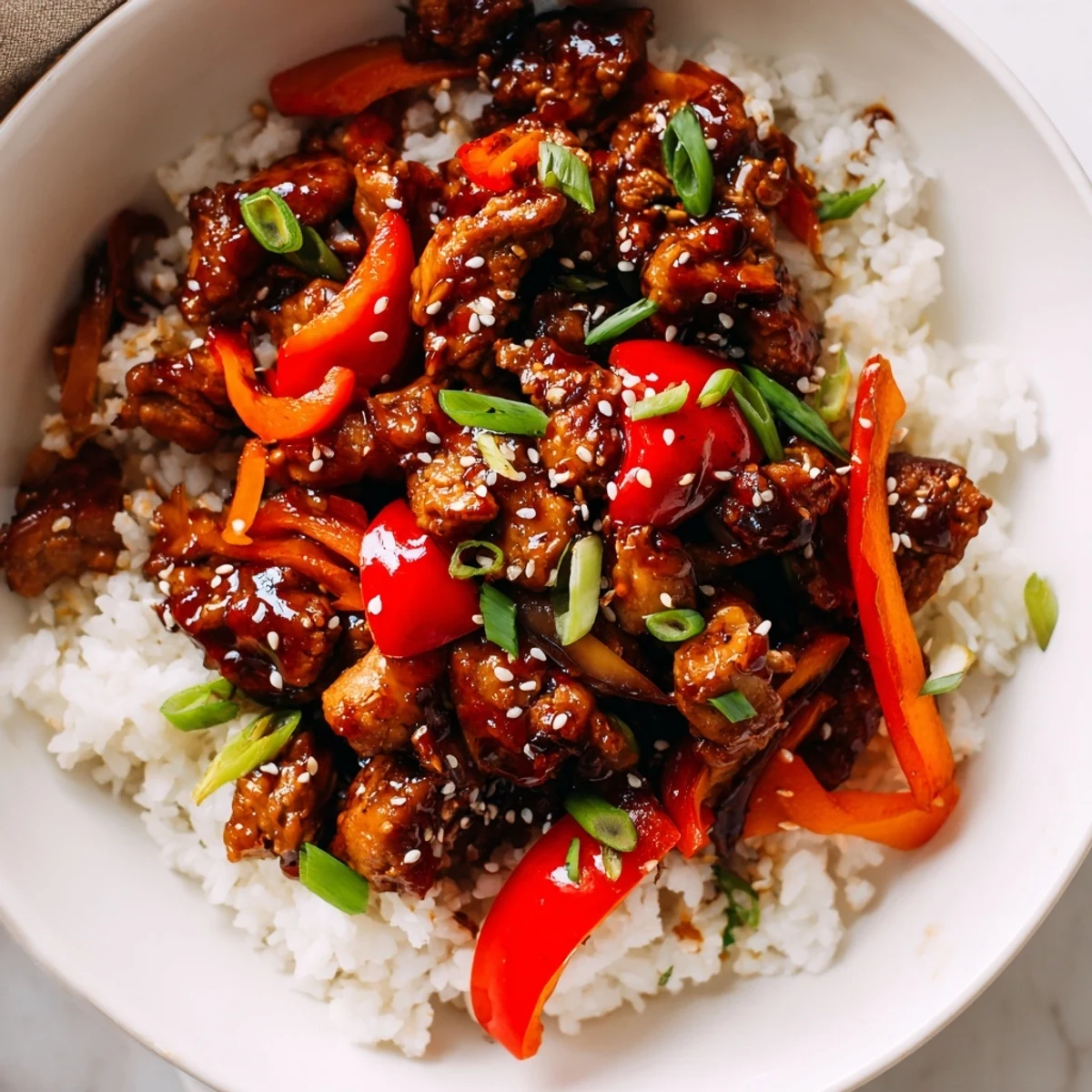
Pin Theres something deeply satisfying about a meal that comes together in one pan but tastes like it simmered all day. This Korean BBQ chicken has become my go-to when I want comfort without the fuss.
Recipe FAQs
- → Can I use brown rice instead of white rice?
-
Brown rice works but requires additional cooking time and liquid. Increase broth to 2.5 cups and simmer for 40-45 minutes until the grains are tender.
- → What can I substitute for Korean BBQ sauce?
-
Combine equal parts soy sauce and brown sugar with a teaspoon of gochujang for Korean chili paste. This creates a similar sweet and savory flavor profile.
- → Is this dish freezer-friendly?
-
Yes, portions freeze well for up to 3 months. Cool completely before storing in airtight containers. Reheat with a splash of water to restore moisture.
- → Can I make this spicier?
-
Add 1-2 tablespoons of gochujang or sriracha to the marinade. You can also include sliced Korean chili peppers while sautéing the vegetables.
- → What other proteins work in this dish?
-
Thinly sliced beef, pork, or shrimp all substitute well. Adjust cooking time—shrimp needs only 5-7 minutes, while beef and pork cook similarly to chicken.
- → Do I need to rinse the rice before cooking?
-
Rinsing removes excess starch, preventing gummy texture. It's an essential step for fluffy, separate grains in this one-pan preparation.