
 Pin
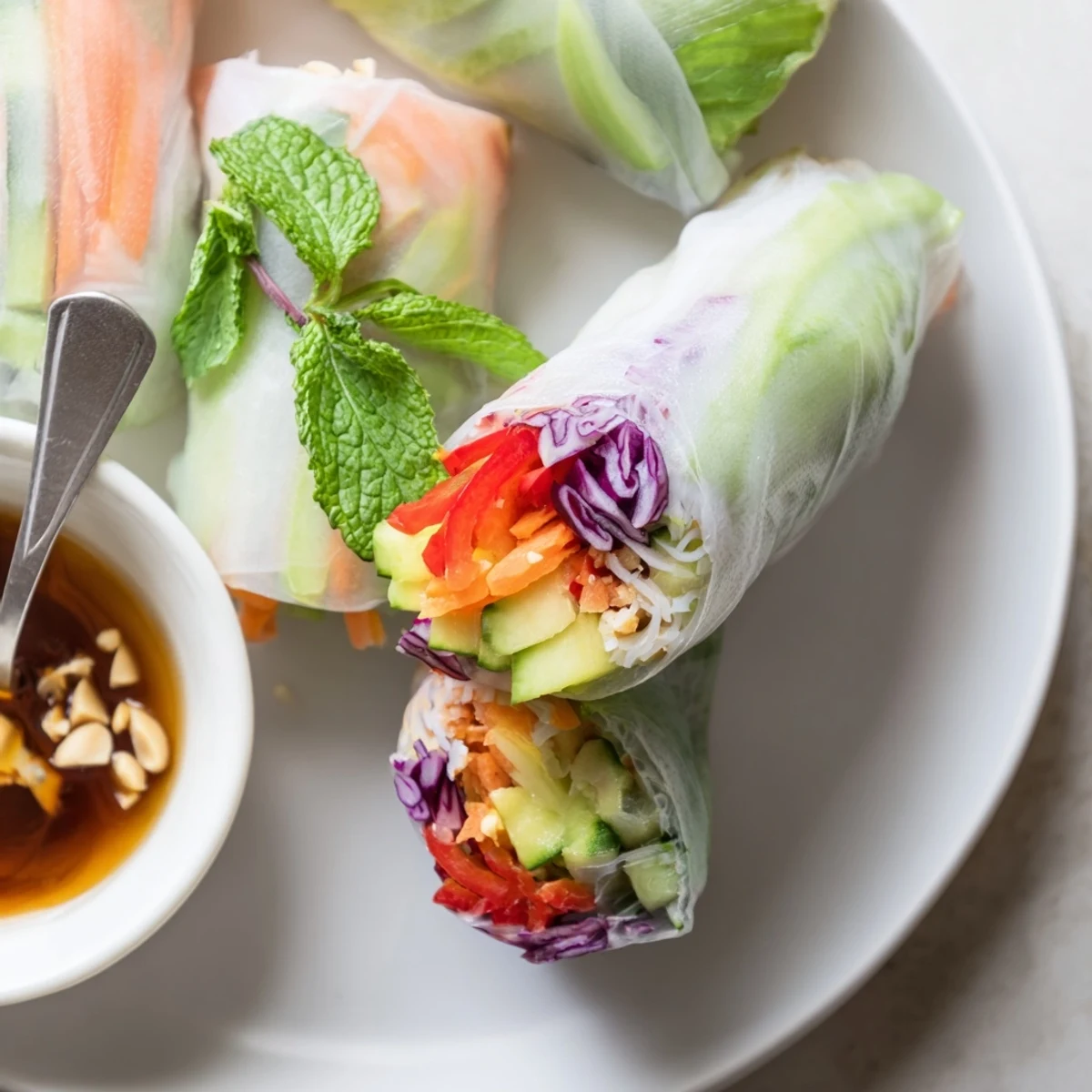
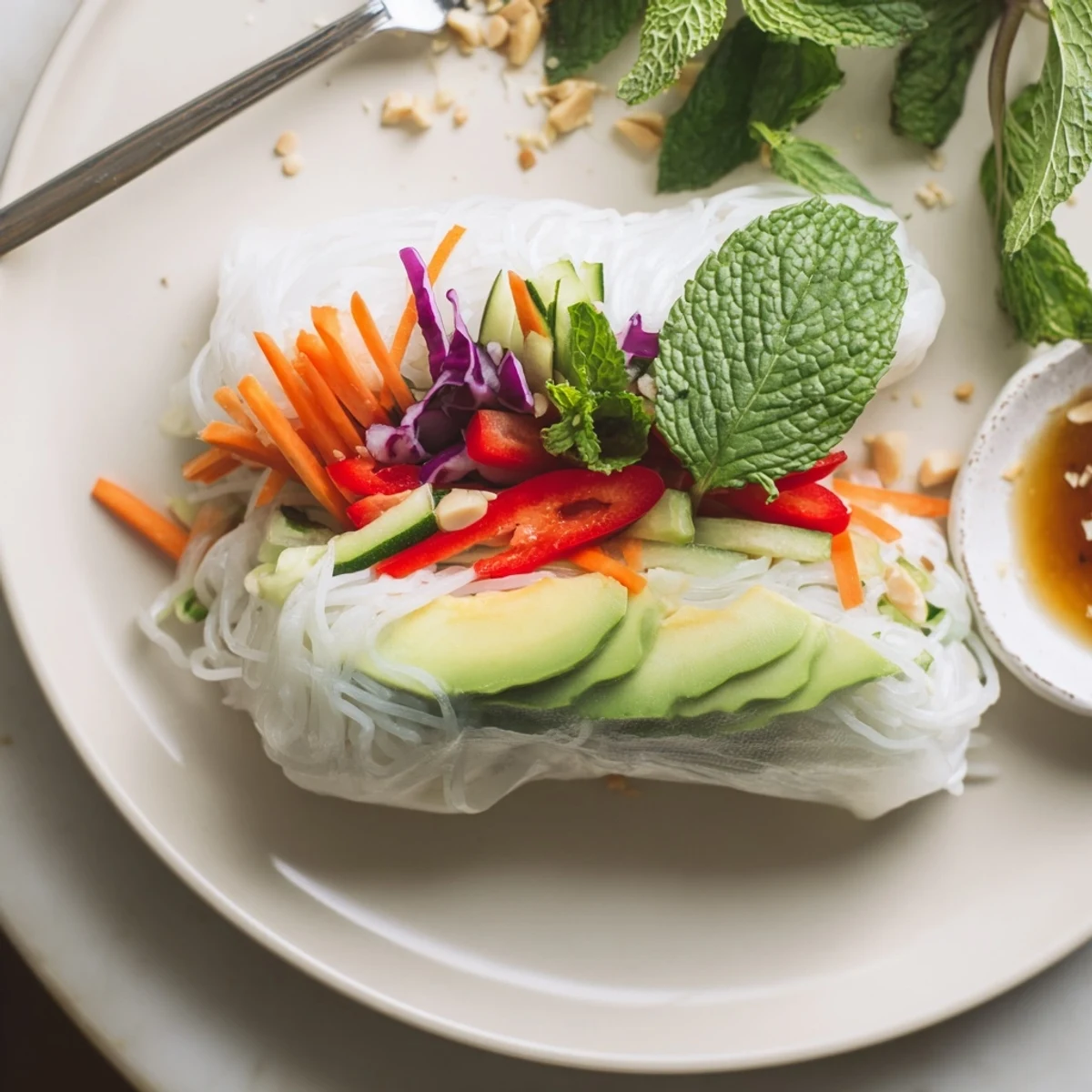
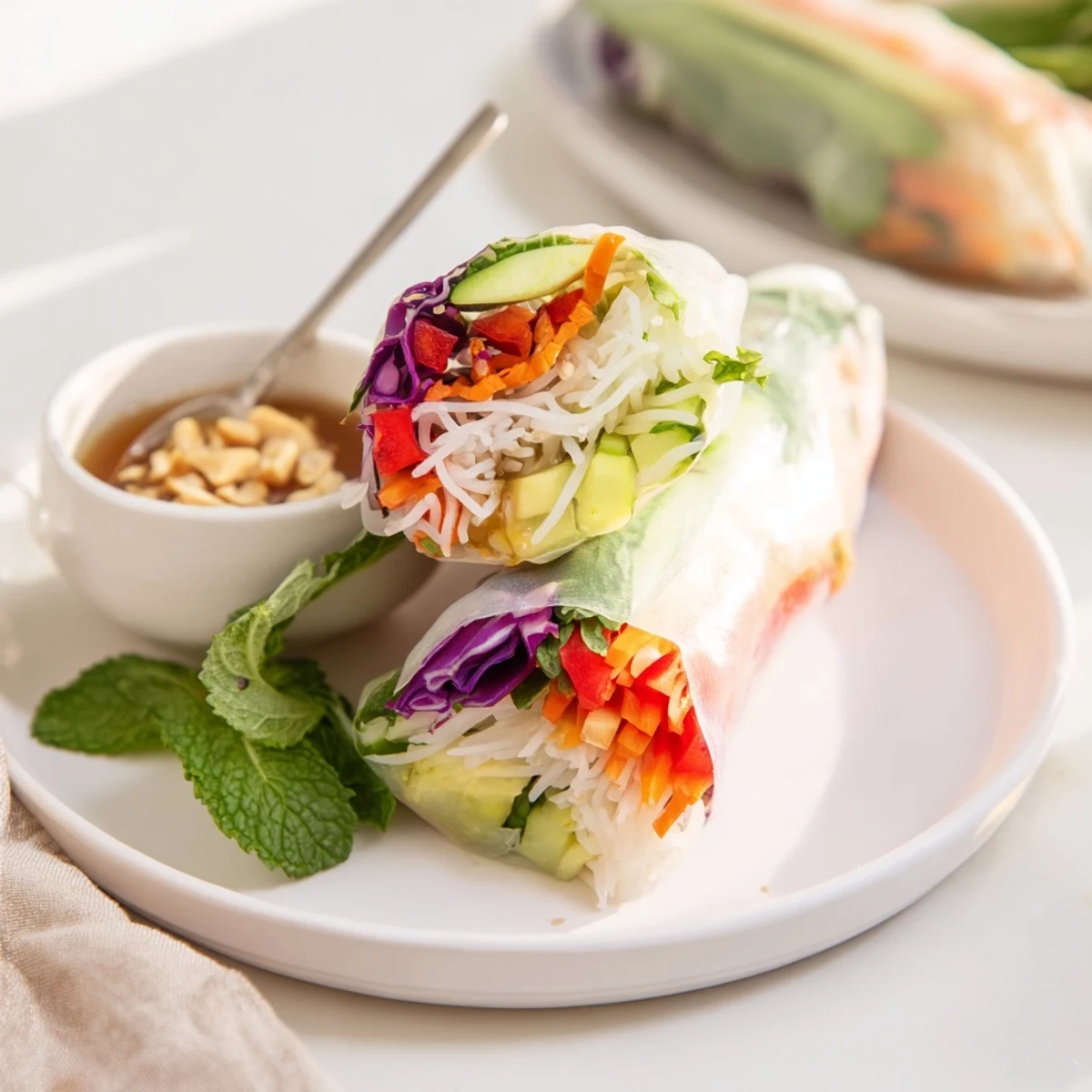
Pin These gluten-free vegetable spring rolls use softened rice paper wrappers filled with rice vermicelli, julienned carrot, cucumber, bell pepper, shredded cabbage, avocado and fresh herbs. Soak wrappers briefly until pliable, layer fillings compactly and roll tightly to seal. Whisk tamari, rice vinegar, maple, sesame oil and grated ginger for a bright dipping sauce. Serve immediately or keep covered with a damp towel for a few hours.
One sticky July afternoon, my air conditioning gave out and the idea of turning on the stove felt genuinely threatening to my sanity. I stood in front of the open refrigerator letting the cool air hit my face, and that is when a sleeve of rice paper wrappers caught my eye. Twenty minutes later I had a platter of the most refreshing little rolls I had ever made, and I ate every single one standing at the counter without bothering to sit down. They were exactly what the day demanded.
I made a double batch of these for a potluck once and watched a woman I had never met eat four of them in under five minutes before asking me for the recipe. She looked almost embarrassed, but I understood completely because resisting them is nearly impossible. There is something about the cool crunch wrapped in that soft, translucent skin that makes you want just one more.
Ingredients
- Carrot: One medium carrot, julienned thin so it bends easily inside the roll without poking through the wrapper.
- Cucumber: Half a cucumber, julienned and seeds removed if it is very watery, because nobody wants a soggy bottom.
- Red bell pepper: One pepper, sliced into thin strips that add a satisfying snap and a gorgeous flash of color.
- Red cabbage: One cup, shredded finely, giving the rolls a slight crunch and a deep purple hue that looks stunning through the translucent rice paper.
- Avocado: One ripe but firm avocado, sliced just before assembling so it does not brown on you.
- Fresh mint: One generous cup of leaves that bring a bright, cool fragrance running through every bite.
- Fresh cilantro: One cup of leaves, because the herbal lift it provides is what makes these taste like they came from a proper kitchen.
- Gluten free rice paper wrappers: Eight sheets, and check the label carefully because not all brands are certified gluten free.
- Rice vermicelli noodles: One hundred grams, cooked and drained, acting as the soft, chewy backbone of each roll.
- Warm water: For softening the rice paper, and it should be warm, not hot, or the wrappers tear instantly.
- Gluten free soy sauce or tamari: Three tablespoons for the dipping sauce, providing that deep savory anchor.
- Rice vinegar: Two tablespoons adding the bright acidity that makes the sauce sing.
- Maple syrup or honey: One tablespoon to round out the sharpness and bring everything into balance.
- Toasted sesame oil: One teaspoon, and please use toasted, because the regular kind will taste flat by comparison.
- Fresh ginger: One teaspoon, grated finely, lending a warm little kick at the back of your throat.
- Garlic: One clove, minced, because raw garlic in dipping sauce is one of life small great decisions.
- Chopped peanuts: One tablespoon optional, scattered on top for crunch, but leave them out entirely if anyone has allergies.
Instructions
- Cook the noodles:
- Follow the package directions for your rice vermicelli, then drain and rinse under cold water so they stop cooking and do not turn into a gummy clump.
- Prep your vegetable station:
- Julienne and slice every vegetable, then arrange them beautifully on a large platter or cutting board where you can grab what you need without scrambling.
- Soften the rice paper:
- Fill a wide shallow bowl with warm water and slide one wrapper in for about ten to fifteen seconds until it feels pliable like a soft cloth, then lay it flat on your work surface.
- Build the roll:
- Place a small tangle of noodles and a modest handful of vegetables and herbs across the lower third of the wrapper, keeping everything tucked tight together, then lay avocado slices on top last so they do not get mashed.
- Roll it up:
- Fold the left and right sides inward over the filling, then roll firmly from the bottom toward the top like a tidy little burrito, pressing gently as you go to keep it compact.
- Whisk the dipping sauce:
- Combine the soy sauce, rice vinegar, maple syrup, sesame oil, ginger, garlic, and peanuts if using in a small bowl and stir until smooth.
- Serve right away:
- Arrange the rolls on a plate with the sauce in a small bowl alongside them, and eat them as soon as possible because they are at their absolute best fresh.
 Pin
Pin I once packed these for a picnic and by the time I unfolded the blanket, the wrappers had gone slightly rubbery and the avocado had darkened at the edges. We ate them anyway, sitting cross legged on the grass and dunking them into a jar of sauce I had nearly forgotten to bring. They were imperfect and still completely gone within minutes.
Getting The Wrappers Right
The rice paper learning curve is real but mercifully short. Your first two rolls will probably look like crumpled tissue paper, and that is perfectly normal. By the third or fourth one, your hands learn the right amount of pressure and the right soaking time, and suddenly they start coming out looking like the ones in photographs. The trick is patience with yourself, not perfection on the first try.
Making It Your Own
Spring rolls are forgiving by nature, which means you can riff on them endlessly based on whatever is sitting in your crisper drawer. Shredded lettuce, bean sprouts, thinly sliced mango, or even leftover roasted vegetables all work beautifully tucked inside. Once you understand the basic folding technique, the filling becomes a conversation between you and your refrigerator.
Serving And Storing
If you need to make them a few hours ahead, cover the assembled rolls tightly with a damp paper towel and plastic wrap in the refrigerator. They will soften slightly but remain perfectly respectable for a gathering.
- Add crispy tofu or cooked shrimp alongside the vegetables if you want to turn these into a more substantial meal.
- A drizzle of sriracha over the dipping sauce is the simplest way to wake everything up for spice lovers.
- Always double check that your rice paper and soy sauce are certified gluten free, because cross contamination hides in surprising places.
 Pin
Pin Keep a stack of wrappers, a bowl of warm water, and all your fillings lined up like a little assembly line, and you will find a steady rhythm that feels almost meditative. These rolls are less a recipe and more a quiet ritual worth returning to whenever you need something light, beautiful, and effortlessly satisfying.
Recipe FAQs
- → How long should I soak rice paper to avoid tearing?
-
Submerge each wrapper in warm water for about 10–15 seconds until just pliable. Lay it flat on a clean surface and work quickly; over-soaking makes it fragile and hard to handle.
- → Can I prepare the fillings ahead of time?
-
Yes. Julienne vegetables and cook the vermicelli ahead, then store them separately in airtight containers. Assemble rolls close to serving time to preserve crisp textures and avoid sogginess.
- → How do I prevent rolls from getting soggy?
-
Pat drained noodles and vegetables dry, avoid excess moisture, and add avocado just before rolling. Place a crisp leaf (like lettuce) between wet ingredients and the wrapper for extra barrier.
- → What are gluten-free alternatives to regular soy sauce?
-
Use tamari labeled gluten-free or coconut aminos as a soy-free substitute. Both provide savory depth for the dipping sauce while keeping the dish gluten-free.
- → How can I add protein to these rolls?
-
Add slices of pan-fried tofu, grilled chicken, or cooked shrimp. Press and sear tofu for firm texture, or toss warm protein with a splash of tamari before filling.
- → How long can assembled rolls be stored?
-
Rolls are best fresh but can be stored in the refrigerator for a few hours wrapped in plastic or covered with a damp towel to prevent drying. Longer storage will soften the wrappers and reduce crunch.