
 Pin
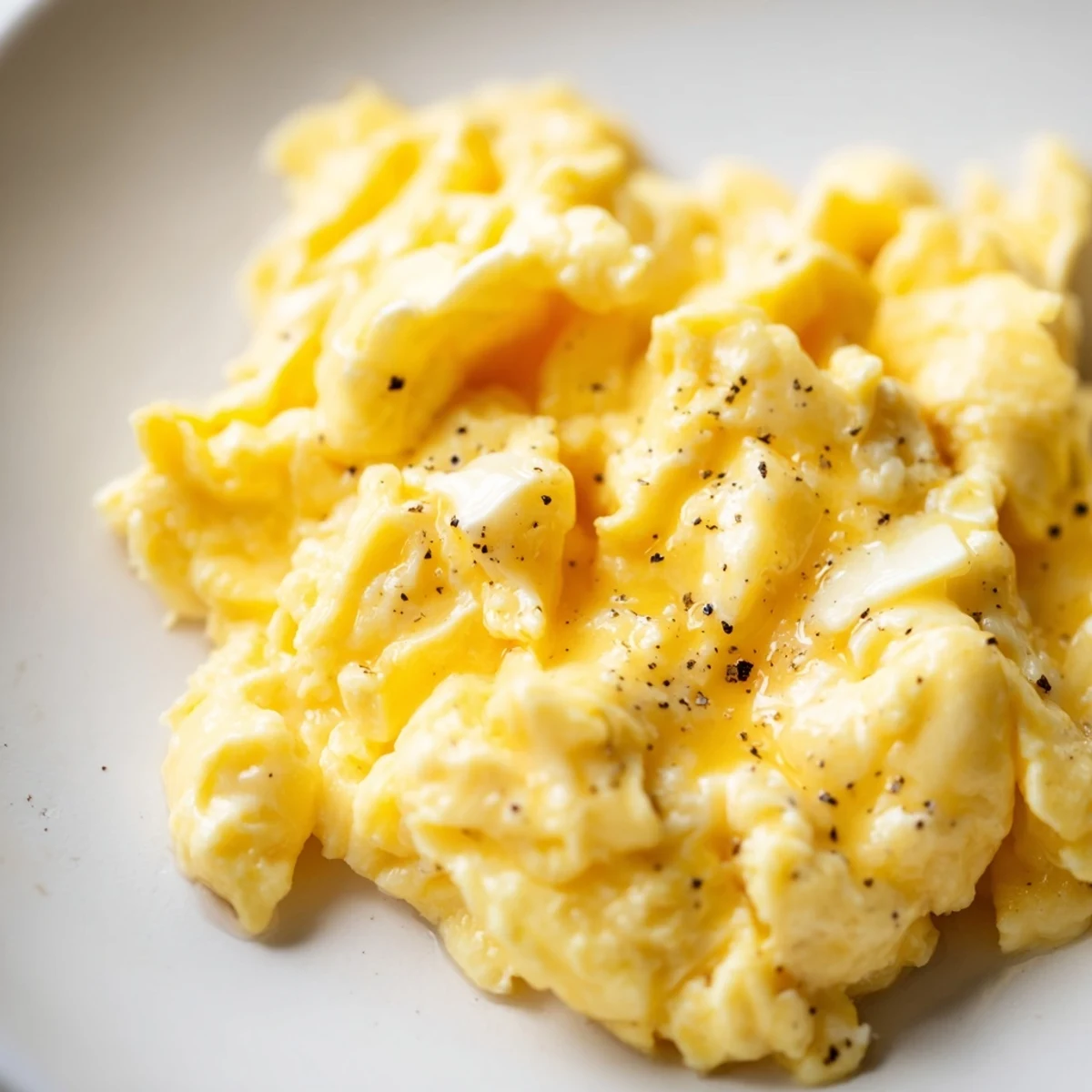
Pin Learn how to make restaurant-quality scrambled eggs with a creamy, fluffy texture. This foolproof method uses whole milk or cream for richness, cooked gently in butter over medium-low heat. The key is whisking until frothy, then pushing eggs from edges to form soft curds. Results in perfectly set but still moist eggs every time. Ready in just 10 minutes with minimal ingredients.
My grandmother used to make scrambled eggs every Sunday morning, and I swear hers tasted different from anyone else's. It took me years to figure out her secret—she never rushed them, always cooking over the gentlest heat while chatting away about her week. Now, whenever I make eggs, I can still hear her voice telling me to slow down and let them cook in their own time.
Last winter, my friend came over after a rough breakup, and I made these eggs for her. She took one bite and started crying—not from sadness, but because the taste reminded her of Saturday mornings at her dad's house. Food has this way of holding memories we didn't know we were keeping.
Ingredients
- 4 large eggs: Room temperature eggs whisk up better and cook more evenly—take them out 15 minutes before you start
- 2 tbsp whole milk or cream: Cream makes them restaurant rich, milk keeps them lighter and everyday friendly
- 1 tbsp unsalted butter: Unsalted lets you control the seasoning, and butter adds flavor you cant get from oil
- 1/4 tsp salt: Sprinkle this in while whisking so it dissolves completely into the eggs
- 1/8 tsp freshly ground black pepper: Freshly ground makes a huge difference—pre-ground loses its punch quickly
Instructions
- Whisk everything together:
- Crack eggs into a bowl, add milk, salt, and pepper, then whisk until slightly frothy—about 30 seconds of energetic whisking does the trick
- Get your pan ready:
- Melt butter in a nonstick skillet over mediumlow heat until it's gently bubbling and coating the bottom
- Start the cooking:
- Pour in the egg mixture and let it sit for just a few seconds until you see the edges beginning to set
- Create soft curds:
- Gently push eggs from edges toward center with a spatula, letting the uncooked parts flow underneath
- Finish with care:
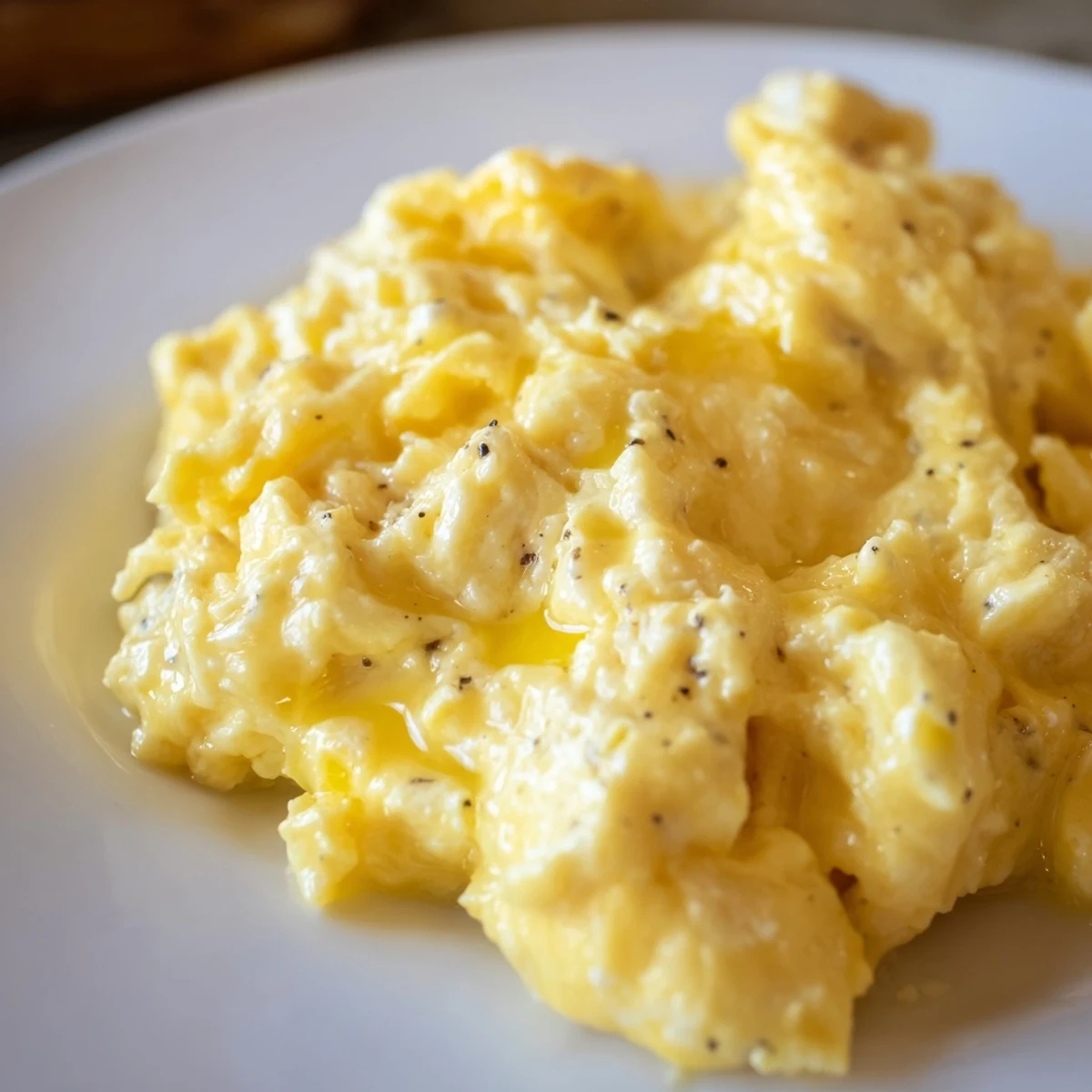
- Continue cooking and stirring until eggs are just set but still creamy—remove from heat immediately when they look slightly underdone
 Pin
Pin These eggs have become my goto for midnight breakfast dinners, lazy Sunday mornings, and comforting friends who need something warm and familiar. Sometimes the simplest foods are the ones that stick with us longest.
Making Them Your Own
I've learned that scrambled eggs are essentially a blank canvas for whatever you're craving. Fresh chives from the garden, sharp cheddar grated directly into the pan, or sautéed mushrooms folded in at the end—each variation feels like discovering the dish all over again.
The Perfect Pairing
My favorite way to serve these is alongside sourdough toast with salted butter, but honestly they work with almost anything. A simple green salad with vinaigrette cuts through the richness, or keep it classic with crispy bacon and fresh fruit.
Common Questions
Everyone seems to have their own scrambled egg philosophy, and honestly most methods work if you understand the basics. The real difference comes from paying attention to heat and timing rather than following rigid rules.
- Can I make these ahead? They're best immediately, but you can refrigerate and gently reheat with a splash of cream
- Why are my eggs watery? This usually means they were cooked too quickly or sat too long before serving
- Can I double this recipe? Absolutely, just use a larger pan and don't crowd the eggs
 Pin
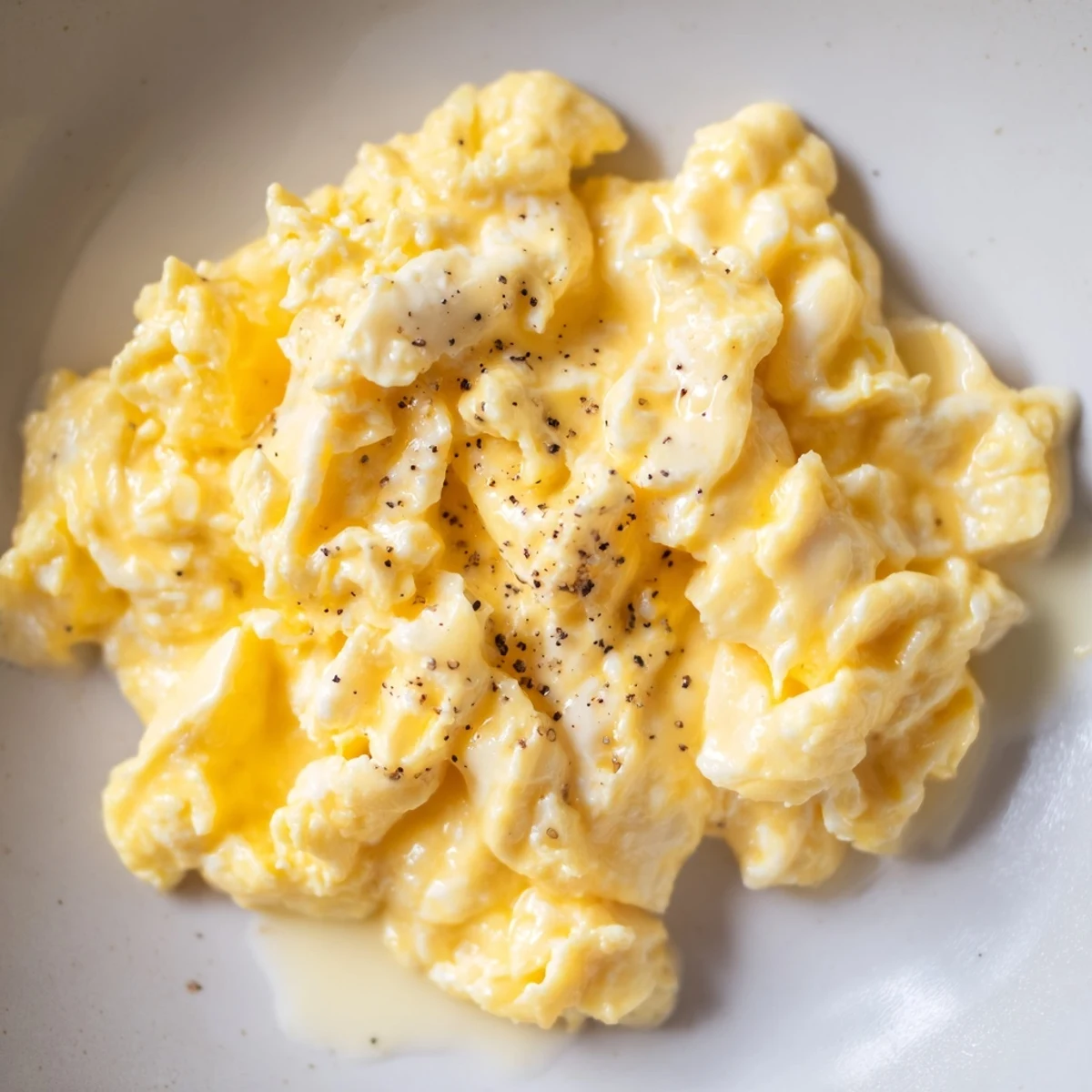
Pin Perfect scrambled eggs aren't about technique—they're about patience and paying attention to something simple enough to become extraordinary.
Recipe FAQs
- → Why do my scrambled eggs turn out rubbery?
-
Rubbery eggs usually result from high heat or overcooking. Keep your skillet at medium-low heat and remove the eggs when they still look slightly moist—they'll continue cooking briefly from residual heat.
- → Should I use milk or cream in scrambled eggs?
-
Both work beautifully. Whole milk creates lighter eggs, while cream yields richer, more decadent results. Use 2 tablespoons per 4 large eggs for optimal creaminess.
- → Can I make scrambled eggs ahead of time?
-
Scrambled eggs taste best when freshly made. If you must prep ahead, slightly undercook them and reheat gently in the microwave with a splash of milk to restore moisture.
- → What's the best pan for scrambled eggs?
-
A nonstick skillet is ideal for easy cleanup and prevents sticking. If using stainless steel or cast iron, use extra butter and keep heat lower to ensure the eggs release easily.
- → How do I get fluffy restaurant-style eggs?
-
Whisk eggs until slightly frothy to incorporate air, cook over medium-low heat, and use a gentle pushing motion rather than constant stirring. Removing from heat while still moist ensures fluffy, tender curds.